
Introduction
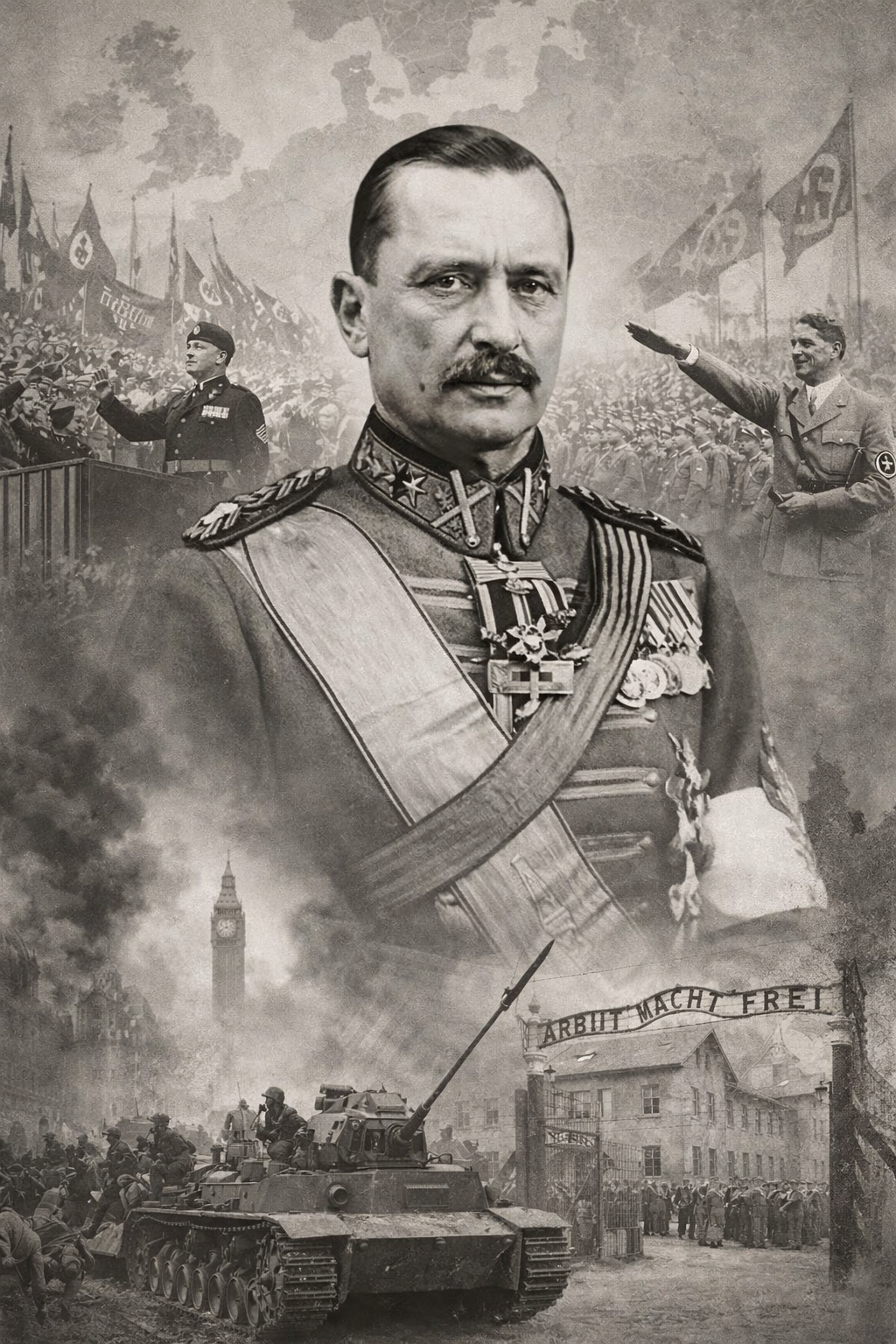
The term fascisterne refers to fascists or members of fascist movements that emerged primarily in Europe during the early 20th century. Fascism is widely recognized as an authoritarian political ideology characterized by strong centralized power, nationalism, and strict social control. While many people associate fascism with World War II, its roots and influence extend beyond that period. The ideology shaped political movements, governments, and conflicts across several countries.
Understanding fascisterne is important for examining how extreme nationalism and authoritarian leadership can influence societies. From its early beginnings in Italy to its spread across Europe and beyond, fascism left a lasting mark on political history. This article explores the origins of fascism, the core beliefs that defined fascisterne, their rise to power in different countries, and the long-term impact of their actions on modern politics.
The Origins of Fascisterne
The origins of fascisterne can be traced back to the aftermath of World War I. Europe was experiencing economic instability, political chaos, and social unrest. Many citizens felt frustrated with traditional democratic governments, which they believed were unable to solve these growing problems. In this environment, radical political movements began to gain support.
One of the earliest and most influential leaders of fascism was Benito Mussolini in Italy. In 1919, Mussolini founded the Fascist movement, promising national revival, strong leadership, and economic stability. His ideology emphasized unity under a powerful state and rejected liberal democracy.
The term “fascism” itself comes from the Latin word fasces, a bundle of rods symbolizing authority in ancient Rome. Mussolini used this symbol to represent unity and strength under centralized power.
The success of Mussolini’s regime inspired similar movements across Europe. Economic crises and political instability in countries such as Germany and Spain created conditions where fascist ideas could spread. These movements often promised order, national pride, and a return to traditional values, attracting followers who felt disillusioned with existing political systems.
Core Ideology and Beliefs of Fascisterne
At the heart of fascisterne ideology lies a combination of extreme nationalism, authoritarian leadership, and rejection of democratic principles. Fascists believed that the nation should be united under a single strong leader who represented the will of the people.
In fascist systems, individual freedoms were often sacrificed in favor of national unity and state power. Political opposition was suppressed, and governments controlled media, education, and cultural institutions. The goal was to create a unified society where dissent was minimized.
A key element of fascist ideology was the belief in militarism and expansion. Fascisterne often promoted the idea that nations should expand their territories to demonstrate strength and secure resources. This belief contributed to aggressive foreign policies and military conflicts.
Another defining characteristic was the promotion of traditional social hierarchies. Many fascist movements emphasized strict gender roles and national identity, often excluding minority groups from full participation in society.
Propaganda played a major role in spreading fascist ideas. Governments used posters, speeches, and media campaigns to glorify the state and its leaders while portraying opponents as enemies of the nation. This intense messaging helped fascisterne maintain control and influence public opinion.
The Rise of Fascisterne in Europe
During the 1920s and 1930s, fascist movements gained power in several European countries. The most notable example occurred in Germany under the leadership of Adolf Hitler. Hitler and his party rose to power during a period of economic depression and political instability following the Treaty of Versailles.
Once in control, Hitler established a totalitarian regime that reshaped German society. The government centralized authority, eliminated political opposition, and promoted a radical nationalist ideology. This period ultimately led to the outbreak of World War II.
Meanwhile, fascist ideology also took hold in Spain under Francisco Franco after the Spanish Civil War. Franco’s government maintained authoritarian control for decades, emphasizing nationalism and strict political order.
Although these regimes differed in their specific policies, they shared several defining characteristics: centralized leadership, suppression of opposition, and intense nationalism. These governments used propaganda, secret police, and censorship to maintain control.
The rise of fascisterne during this period demonstrates how political instability and economic hardship can create conditions where authoritarian movements gain widespread support.
The Role of Fascisterne in World War II
The actions of fascisterne played a major role in triggering and shaping World War II. Aggressive expansion policies pursued by fascist regimes led to escalating tensions between European powers.
In 1939, Germany invaded Poland, an event that marked the official start of the war. Fascist governments sought to expand their territories and establish dominance across Europe.
During the conflict, fascist regimes formed alliances and coordinated military strategies. The war caused widespread destruction and resulted in millions of casualties worldwide. Cities were devastated, economies collapsed, and entire populations were displaced.
One of the darkest chapters associated with fascist ideology was the systematic persecution of minority groups, particularly during the Holocaust. Millions of people were killed in concentration camps and mass executions, highlighting the extreme consequences of racist and authoritarian ideologies.
The defeat of fascist regimes in 1945 brought an end to their control in many countries. The Allied victory led to political reforms, trials of war criminals, and the rebuilding of democratic institutions across Europe.
World War II remains a powerful reminder of the dangers associated with extremist political movements like fascisterne.
The Legacy and Modern Understanding of Fascisterne
Although the major fascist regimes collapsed after World War II, the legacy of fascisterne continues to influence political discussions today. Historians and political scientists study fascism to better understand how authoritarian systems develop and how societies can prevent them.
Modern democracies often use the lessons of the 20th century to strengthen political institutions and protect civil liberties. Education about fascism plays a critical role in helping people recognize the warning signs of authoritarian movements.
In contemporary politics, the term “fascist” is sometimes used broadly in debates about power, nationalism, and government authority. However, scholars emphasize the importance of understanding the historical meaning of fascism and the specific conditions that allowed fascisterne to rise in the past.
Museums, memorials, and educational programs around the world continue to document the history of fascism and its consequences. These efforts ensure that future generations learn about the dangers of extreme ideologies and the importance of protecting democratic values.
By studying the history and impact of fascisterne, societies can better recognize the importance of political freedom, human rights, and responsible leadership.
Conclusion
The history of fascisterne offers important lessons about the dangers of authoritarian ideologies and unchecked political power. Emerging during times of economic crisis and political instability, fascist movements promised national strength and unity but often achieved these goals through repression and conflict.
From the rise of fascist regimes in Europe to their role in World War II, fascisterne significantly shaped global history. Their legacy serves as a reminder of the importance of democratic institutions, civil liberties, and critical public awareness. By understanding how fascism developed and spread, modern societies can better guard against the conditions that allow such ideologies to take hold.
FAQs
What does fascisterne mean?
Fascisterne is a term that refers to fascists or individuals who support fascist political ideology, which emphasizes authoritarian leadership and strong nationalism.
Where did fascisterne originate?
The movement began in Italy after World War I under the leadership of Benito Mussolini and later spread to other countries in Europe.
What are the main characteristics of fascism?
Fascism is typically associated with authoritarian leadership, extreme nationalism, militarism, suppression of opposition, and control over media and society.
Why are fascisterne important in history?
They played a major role in shaping 20th-century politics, especially during World War II, and their actions influenced global discussions about democracy and human rights.
Does fascism still exist today?
While classic fascist regimes largely disappeared after World War II, some modern political movements are sometimes described as having fascist characteristics.
 admin
admin