
Table of Contents
ToggleIntroduction
Fashion is constantly evolving, reflecting changes in culture, technology, and personal expression. Every year brings new styles, colors, and ideas that reshape how people dress and present themselves. In 2026, fashion trends are more diverse than ever—blending sustainability, comfort, and bold individuality. Designers and everyday fashion lovers are moving beyond rigid rules, embracing clothing that feels authentic and practical.
From oversized silhouettes and vibrant colors to eco-friendly materials, today’s fashion landscape is driven by creativity and innovation. Social media platforms, street style, and global fashion weeks also influence what people wear daily. Whether you’re refreshing your wardrobe or simply staying informed, understanding current fashion movements helps you experiment confidently with your style. In this guide, we’ll explore the key fashion directions dominating runways and everyday wardrobes, along with tips for incorporating them into your own outfits.
The Rise of Sustainable Fashion
Sustainability has moved from a niche idea to a central force in the fashion industry. Many brands are rethinking production processes, materials, and supply chains to reduce environmental impact. As consumers become more aware of environmental issues, eco-friendly clothing has become one of the most influential fashion trends today.
Sustainable fashion focuses on materials such as organic cotton, recycled fabrics, bamboo fibers, and plant-based textiles. These materials require fewer resources and produce less waste than traditional fabrics. Many designers are also embracing slow fashion—creating high-quality garments meant to last longer rather than encouraging constant consumption.
Thrift shopping and clothing resale platforms are also gaining popularity. Instead of buying new items frequently, many shoppers now choose vintage pieces or second-hand clothing. This not only reduces waste but also allows people to discover unique styles.
Brands are also introducing circular fashion practices, where garments can be recycled or repurposed after use. Some companies even offer repair services or take-back programs for old clothes.
For everyday shoppers, embracing sustainable fashion can be simple. Choosing durable clothing, supporting ethical brands, and buying fewer but better pieces can make a meaningful difference. As sustainability continues to influence design and consumer behavior, it’s likely to remain a defining movement in modern fashion.
Bold Colors and Statement Pieces
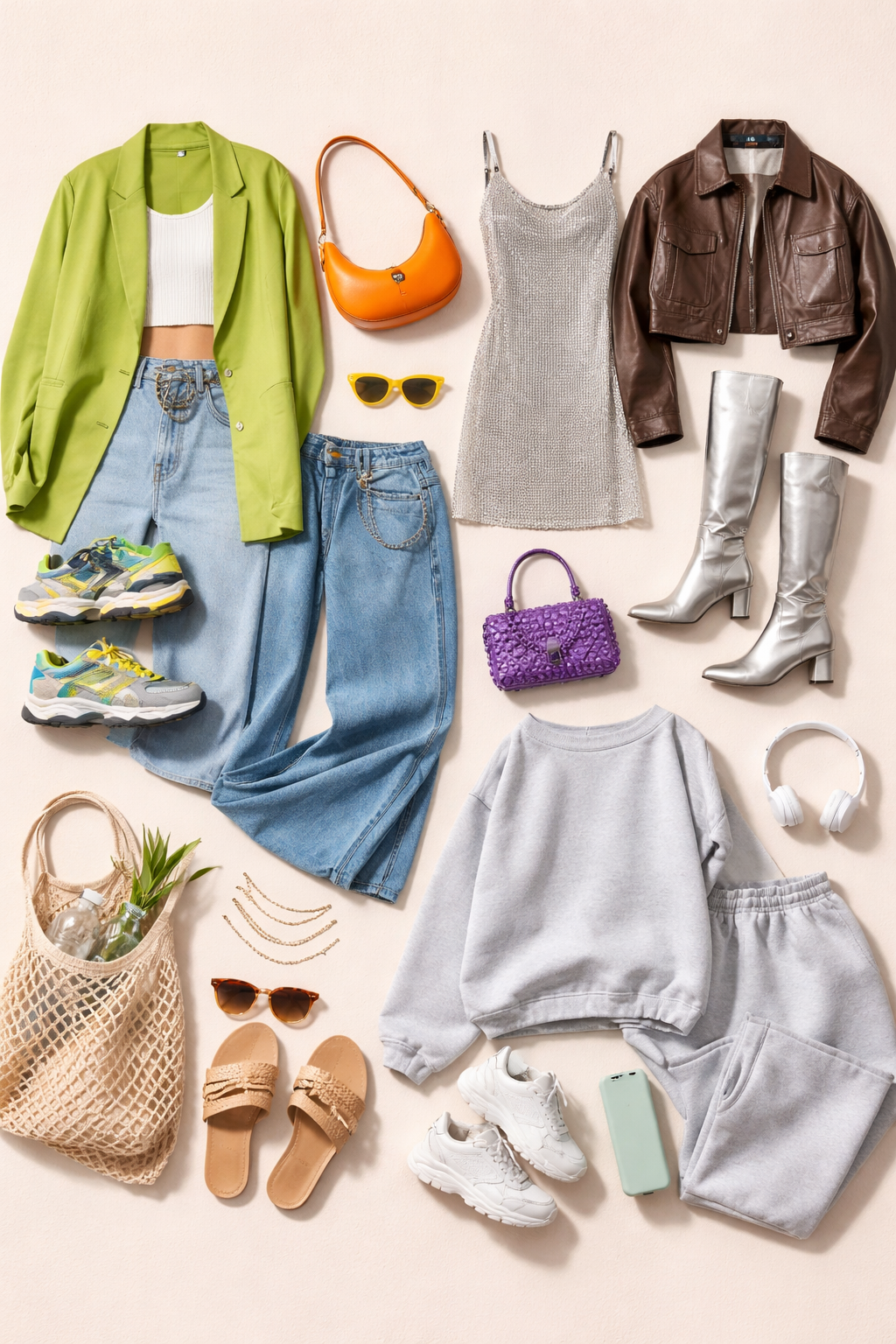
While minimalism still has its place, bold colors and eye-catching statement pieces are dominating many wardrobes. Bright hues such as electric blue, fiery red, neon green, and vibrant orange are becoming staples in both casual and formal outfits.
One reason this trend is thriving is the growing desire for self-expression. People are no longer afraid to experiment with color combinations or standout accessories. Instead of sticking to neutral palettes, many fashion enthusiasts are mixing bright tones to create energetic and playful looks.
Statement pieces also play a major role in this trend. Oversized jackets, unique handbags, sculptural jewelry, and dramatic footwear are designed to stand out instantly. Even a simple outfit can feel elevated when paired with one bold item.
Fashion influencers and street style photographers have amplified this movement by showcasing daring outfit combinations online. Platforms like Instagram and TikTok encourage experimentation, making vibrant fashion more accessible to everyday audiences.
To incorporate bold colors into your wardrobe, start with a single bright item—perhaps a jacket, handbag, or pair of shoes. Once you feel comfortable, you can gradually experiment with color blocking or layered shades. The key is balance: mixing bold elements with simple pieces keeps your outfit stylish rather than overwhelming.
Comfort-First Fashion
Comfort has become a top priority in modern fashion, especially after years of lifestyle shifts that changed how people work and socialize. Today’s fashion trends increasingly emphasize relaxed silhouettes, soft fabrics, and versatile clothing that works for both home and public settings.
Athleisure remains a major influence in this movement. Joggers, hoodies, leggings, and stylish sneakers are now considered everyday wear rather than strictly gym attire. Many fashion brands are blending athletic elements with high-fashion design, creating outfits that look polished yet feel comfortable.
Oversized clothing is another defining element. Loose blazers, wide-leg trousers, and baggy shirts offer both comfort and a modern aesthetic. These pieces allow for movement and flexibility while still maintaining a stylish appearance.
Fabrics also play an important role in comfort-focused fashion. Soft knits, breathable cotton, stretch denim, and lightweight materials help garments feel more wearable throughout the day.
The popularity of hybrid lifestyles—where people split time between home, office, and social activities—has made adaptable clothing more valuable than ever. A comfortable outfit that transitions easily between environments saves time and effort.
Ultimately, comfort-first fashion proves that style doesn’t have to sacrifice practicality. When clothing feels good to wear, confidence naturally follows.
Retro and Vintage Revival
Fashion often moves in cycles, and vintage inspiration continues to shape modern style. Many current designs draw heavily from past decades, bringing classic looks back into the spotlight with contemporary twists.
The 1990s and early 2000s are particularly influential right now. Baggy jeans, cargo pants, cropped tops, chunky sneakers, and tinted sunglasses are returning to mainstream fashion. These nostalgic pieces resonate with younger audiences discovering them for the first time and older generations revisiting familiar styles.
Retro patterns and textures are also gaining popularity. Tie-dye, plaid prints, denim-on-denim combinations, and leather jackets are appearing in new collections from major brands.
Vintage fashion also aligns with sustainability goals. Buying second-hand clothing allows shoppers to enjoy timeless styles while reducing demand for new production. Many thrift stores and vintage boutiques are seeing increased popularity as people search for unique items with history.
Designers often reinterpret classic silhouettes to make them feel modern. For example, vintage denim styles may feature updated cuts or improved fabrics for comfort and durability.
Incorporating retro elements into your wardrobe can be both fun and stylish. Mixing vintage items with modern pieces creates a balanced look that feels fresh rather than outdated.
Technology and Digital Influence in Fashion
Technology is transforming how fashion is designed, marketed, and consumed. Digital platforms and innovations are playing a significant role in shaping today’s fashion trends.
Social media is perhaps the most powerful driver. Fashion influencers, stylists, and everyday users share outfit ideas that can spread worldwide within hours. Trends that once took months to develop now emerge almost instantly through viral posts.
Artificial intelligence and data analytics are also helping brands predict consumer preferences. Designers can analyze purchasing patterns and online engagement to understand what customers want before launching new collections.
Virtual fashion is another emerging concept. Digital clothing—designed for online avatars or social media images—is becoming increasingly popular in virtual environments and gaming platforms. Some brands even sell digital garments alongside physical ones.
Online shopping experiences are evolving as well. Virtual try-on technology allows customers to see how clothing might look on them without visiting a store. Augmented reality tools and personalized recommendations make digital fashion retail more interactive.
Technology’s growing influence means fashion is no longer limited to physical clothing. As digital innovation continues to expand, the way people interact with style will likely change dramatically in the coming years.
Conclusion
Fashion continues to evolve as designers, technology, and consumer values reshape the industry. From eco-friendly materials and retro inspiration to bold colors and comfort-focused clothing, today’s style landscape is both diverse and exciting. The most important aspect of modern fashion is individuality—people are encouraged to mix trends, experiment with new looks, and express their personalities through clothing.
As these movements continue to develop, staying aware of emerging fashion trends can help you update your wardrobe with confidence. Whether you embrace sustainable fashion, vibrant colors, or vintage pieces, the key is choosing styles that reflect your personal taste while adapting to changing trends.
FAQs
What are the biggest fashion trends in 2026?
Some of the biggest trends include sustainable fashion, bold colors, oversized silhouettes, vintage-inspired clothing, and technology-driven fashion experiences.
How can I follow fashion trends without spending too much?
You can thrift shop, restyle existing outfits, mix trendy pieces with classic basics, and buy versatile clothing that works for multiple occasions.
Why is sustainable fashion becoming popular?
Consumers are becoming more aware of environmental issues. Sustainable fashion reduces waste, promotes ethical production, and focuses on long-lasting clothing.
Are vintage styles still fashionable?
Yes. Retro and vintage styles remain highly popular, especially influences from the 1990s and early 2000s.
How do social media platforms influence fashion trends?
Social media spreads new styles quickly. Influencers, celebrities, and everyday users share outfit inspiration that can become popular worldwide in a short time.
 admin
admin  Maher Hassan