
Introduction
If you’ve come across the phrase “ts pmo” in a text message, comment section, or social media post and felt confused, you’re not alone. Internet slang evolves fast, and combinations like this can feel impossible to decode without context. The ts pmo meaning depends heavily on how and where it’s used, which is why people often misinterpret it. In casual online conversations, these short abbreviations are meant to save time, add emotion, or emphasize frustration. Understanding what they stand for can help you avoid awkward replies—or worse, misunderstandings. In this guide, we’ll break down what ts pmo means, where it comes from, how it’s commonly used, and how to tell which meaning applies in a conversation. By the end, you’ll be able to recognize and use it confidently.
What Does TS PMO Mean in Slang?
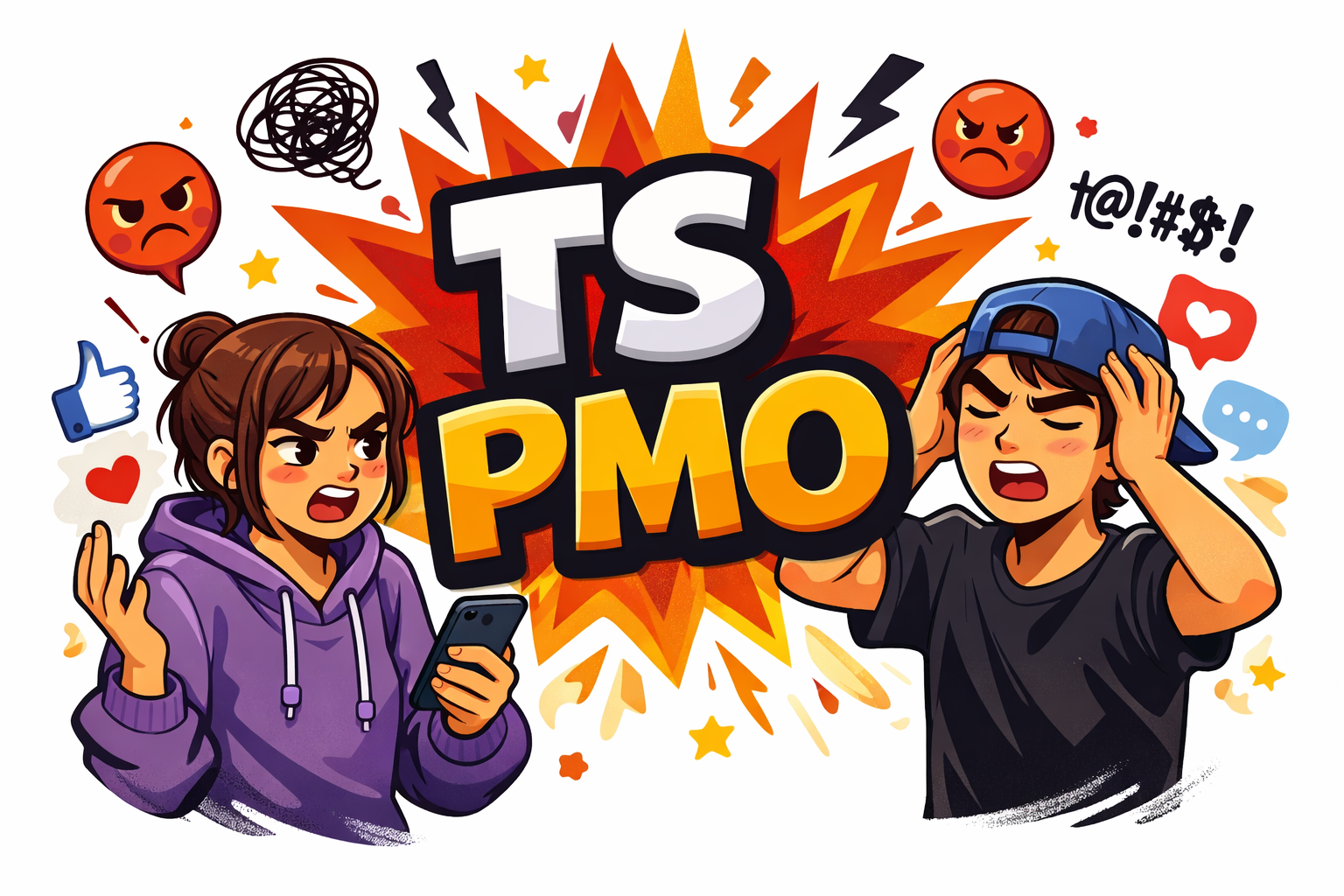
The most common ts pmo meaning in online slang is “this sh*t pisses me off.” Here, “ts” stands for “this sh*t,” while “pmo” means “pisses me off.” Together, the phrase expresses irritation, annoyance, or frustration—often in a blunt or emotional way.
You’ll usually see ts pmo in informal settings like text messages, TikTok comments, Twitter/X posts, or private chats. It’s rarely used in professional or formal conversations because of its tone and implied language. People use it when they want to vent quickly without typing a full sentence.
For example:
-
“They canceled again last minute, ts pmo.”
-
“The app crashing every day? Ts pmo fr.”
In these cases, the phrase acts like a reaction rather than a full explanation. It communicates emotion instantly, which is why it’s popular in fast-paced online spaces. Tone matters, though—depending on the context, it can come across as joking frustration or genuine anger.
Breaking Down the Individual Terms: TS and PMO
To fully understand the ts pmo meaning, it helps to look at each part separately. Internet slang often works like building blocks, and each abbreviation can have multiple meanings.
TS most commonly means “this sht” in casual slang. However, in some contexts, it can also mean “that sht” or simply “this stuff.” The exact wording usually doesn’t matter as much as the emotion behind it.
PMO usually stands for “piss me off” or “pisses me off.” In other contexts, PMO can mean “put me on,” which refers to introducing someone to music, trends, or opportunities. That’s why context is critical—without it, PMO can easily be misunderstood.
When combined, ts pmo almost always leans toward frustration rather than recommendation. If someone is annoyed or venting, that’s your strongest clue. Emojis, tone, and surrounding text often make the meaning clear.
How TS PMO Is Used on Social Media
On social media platforms, ts pmo is often used as a short reaction rather than part of a longer explanation. You’ll see it in comment sections, captions, or replies when someone wants to express annoyance without elaborating.
For example:
-
“Seeing fake giveaways every day ts pmo.”
-
“Why do people lie for views? Ts pmo.”
In these cases, the phrase becomes a shared emotional shorthand. Readers instantly understand the frustration, even without details. This is especially common on platforms like TikTok, Instagram, and X, where brevity matters.
Sometimes, users add emphasis by pairing it with other slang:
-
“Ts pmo fr”
-
“Ts really pmo ngl”
These additions intensify the feeling, making it clear the person is genuinely irritated. Understanding this usage helps you read tone correctly and respond appropriately—whether that means empathizing or just scrolling past.
Can TS PMO Have Other Meanings?
While frustration is the most common ts pmo meaning, slang can shift depending on subculture or context. In rare cases, TS may refer to something else entirely, such as “this situation” or even a niche abbreviation within a specific online community.
Additionally, PMO still retains its alternate meaning, “put me on,” in many spaces. However, when paired with TS, that interpretation becomes unlikely. “This sh*t put me on” doesn’t fit typical slang patterns, which is why most users default to the annoyed interpretation.
If you’re unsure, look at:
-
The emotional tone of the message
-
Any emojis used (😤, 😒, or 😡 usually signal frustration)
-
Whether the post is complaining or recommending something
Context almost always resolves confusion. When in doubt, it’s okay to ask—slang is meant to connect people, not confuse them.
Should You Use TS PMO in Your Own Messages?
Whether or not you should use ts pmo depends on your audience and setting. It’s perfectly acceptable in casual conversations with friends who already use slang. In that environment, it can feel relatable and expressive.
However, it’s not appropriate for:
-
Professional emails
-
School assignments
-
Workplace chats
-
Conversations with people unfamiliar with slang
Because it includes implied profanity, it can come across as aggressive or immature in the wrong setting. If you’re unsure, it’s safer to spell out how you feel instead.
Using slang effectively is about knowing when—and with whom—it works. When used correctly, ts pmo can quickly communicate frustration without sounding overly dramatic.
FAQs About TS PMO Meaning
What does ts pmo mean in texting?
In texting, ts pmo usually means “this sh*t pisses me off,” expressing annoyance or frustration.
Is ts pmo offensive?
It can be considered mildly offensive because it implies profanity. It’s best used only in informal settings.
Can pmo mean something positive?
Yes, PMO can also mean “put me on,” but that meaning usually doesn’t apply when paired with TS.
Is ts pmo used globally?
It’s most common in English-speaking online communities, especially among younger users.
Should I reply if someone texts ts pmo?
A supportive response like “yeah, that’s annoying” usually fits best, depending on the situation.
Conclusion
Understanding the ts pmo meaning makes navigating modern slang much easier. Most of the time, it’s a quick way to say “this sh*t pisses me off,” capturing frustration in just a few characters. Like many slang phrases, its meaning depends on context, tone, and platform. While it’s popular in casual conversations and social media, it’s not suitable for every situation. Knowing when—and when not—to use it helps you communicate more clearly and avoid misunderstandings. As online language keeps evolving, staying familiar with phrases like ts pmo ensures you’re always in the loop.
 admin
admin