
Introduction
When people talk about success, failure, or unexpected turns in life, one word almost always enters the conversation: luck. Some say it’s random, others believe it’s earned, and a few think it’s nothing more than a comforting illusion. To truly define luck, we need to look beyond superstition and surface-level beliefs. Luck influences how we explain good fortune, bad breaks, and even missed opportunities. It shapes how we view success stories and personal setbacks. Whether you feel lucky or unlucky right now, understanding what luck really means can change how you approach life, decisions, and growth. This article explores the meaning of luck, its different forms, cultural perspectives, and whether it’s something you can influence—or if it’s purely left to chance.
What Does It Mean to Define Luck?
To define luck, we usually describe it as events that happen by chance, beyond our direct control, yet strongly affect outcomes. Luck often explains why two people can make similar choices but experience very different results. One succeeds effortlessly, while the other struggles despite hard work.
Traditionally, luck is associated with randomness. A sudden opportunity, an unexpected meeting, or a fortunate accident often gets labeled as “good luck.” On the other hand, missed chances, accidents, or losses are called “bad luck.” However, this definition only scratches the surface.
Many philosophers and psychologists argue that luck is partly about perception. What feels like luck to one person may seem like preparation meeting opportunity to another. For example, being in the right place at the right time might look lucky, but it often involves awareness, readiness, and timing.
In everyday language, luck serves as a shortcut explanation. Instead of analyzing complex factors—effort, environment, timing, and decisions—we bundle everything into one word. Understanding this helps us realize that luck isn’t always random; sometimes it’s the result of patterns we don’t immediately notice.
Different Types of Luck Explained
When you define luck more deeply, it becomes clear that not all luck is the same. Experts often divide luck into several categories to explain how it works in real life.
Blind luck is pure chance. Winning a lottery, finding money on the street, or being born into a particular family falls into this category. There’s no planning or control involved.
Opportunity luck happens when you take action. You might attend events, learn new skills, or meet people, increasing the chances of something positive happening. While chance still plays a role, your choices create more opportunities for luck to appear.
Prepared luck occurs when knowledge and effort meet unexpected situations. A person who studies for years may seem lucky when a sudden job opening matches their skills perfectly. In reality, preparation made that “luck” possible.
Perceived luck depends on mindset. Optimistic people often interpret neutral or even negative events as lucky because they look for lessons or hidden benefits. This doesn’t change events, but it changes outcomes over time.
Understanding these types helps explain why some people seem luckier than others. It’s not always fate—it’s often behavior and perspective.
Is Luck Random or Influenced by Choice?
A major debate around how to define luck is whether it’s completely random or shaped by human behavior. The truth lies somewhere in between.
Chance is real. No amount of effort guarantees perfect outcomes. Accidents, timing, and external forces play undeniable roles in life. However, choices influence how often chance has room to work in your favor.
People who try new things, meet new people, and take calculated risks often appear luckier. They create conditions where positive randomness can occur. In contrast, avoiding risk reduces exposure to both failure and opportunity.
Psychologists also note that decision-making after a lucky or unlucky event matters. Someone who learns from setbacks often turns “bad luck” into future success. Meanwhile, ignoring lessons can make good luck temporary.
So while you can’t control luck entirely, you can influence how often it visits—and how much you benefit when it does.
Cultural and Historical Views on Luck
How people define luck varies widely across cultures and history. In many ancient societies, luck was linked to divine forces or fate. People believed gods controlled fortune, and rituals were used to attract good luck or ward off bad luck.
In Eastern cultures, luck is often connected to balance, harmony, and energy. Concepts like timing, flow, and alignment play important roles. Luck isn’t just random—it’s about being in sync with life.
Western cultures tend to associate luck with chance and probability. Expressions like “luck of the draw” or “rolling the dice” reflect this mindset. At the same time, modern thinking increasingly links luck to effort and mindset.
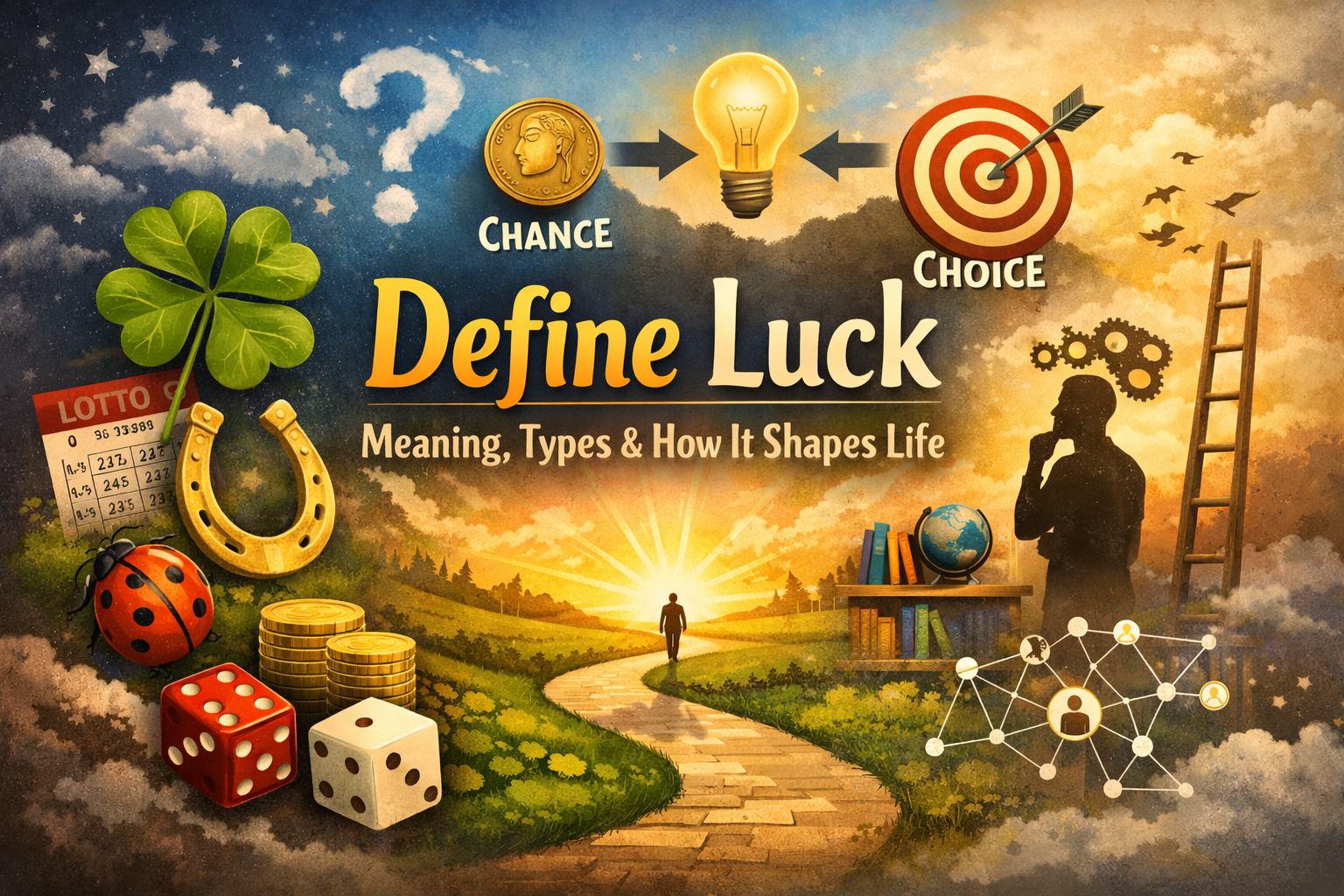
Historically, symbols like four-leaf clovers, horseshoes, and lucky numbers emerged as ways to make sense of uncertainty. While science has replaced superstition in many areas, these symbols still influence behavior and belief today.
These cultural views show that luck isn’t just an event—it’s a story people tell to understand life’s unpredictability.
Can You Create Your Own Luck?
While you can’t manufacture random events, you can absolutely improve your odds. Many successful people don’t deny luck—they simply increase its chances.
One way to do this is by staying curious and open. Trying new paths introduces variables that routine life doesn’t. Learning continuously also prepares you to recognize opportunities others miss.
Networking plays a huge role in “lucky” outcomes. Meeting diverse people increases exposure to ideas, advice, and chances you wouldn’t find alone. Many life-changing moments come through unexpected connections.
Mindset matters too. People who believe they’re unlucky often overlook small wins or avoid risks. Those who expect positive outcomes tend to act differently, which subtly shapes results.
So while luck can’t be controlled, it can be invited. Action, awareness, and adaptability make luck more likely to show up—and stay.
Conclusion
To define luck accurately, we must see it as a mix of chance, choice, and perception. While randomness exists, luck isn’t completely out of your hands. Your actions, mindset, and willingness to engage with the world shape how often luck appears and how meaningful it becomes. Understanding luck helps you move past blaming fate and toward recognizing opportunity. Instead of waiting for good luck, you can prepare for it, invite it, and make the most of it when it arrives. In the end, luck isn’t just something that happens to you—it’s something you learn to work with.
FAQs About Luck
What is the simplest way to define luck?
Luck is the occurrence of events by chance that affect outcomes, either positively or negatively.
Is luck real or just a belief?
Luck is real in terms of randomness, but how it impacts life often depends on perception and response.
Can hard work replace luck?
Hard work doesn’t replace luck, but it increases the chances of benefiting when luck appears.
Why do some people seem luckier than others?
They often take more risks, stay prepared, and maintain a mindset that recognizes opportunities.
Is bad luck permanent?
No. What feels like bad luck is often temporary and can lead to growth or future success.
 admin
admin