
Table of Contents
ToggleIntroduction
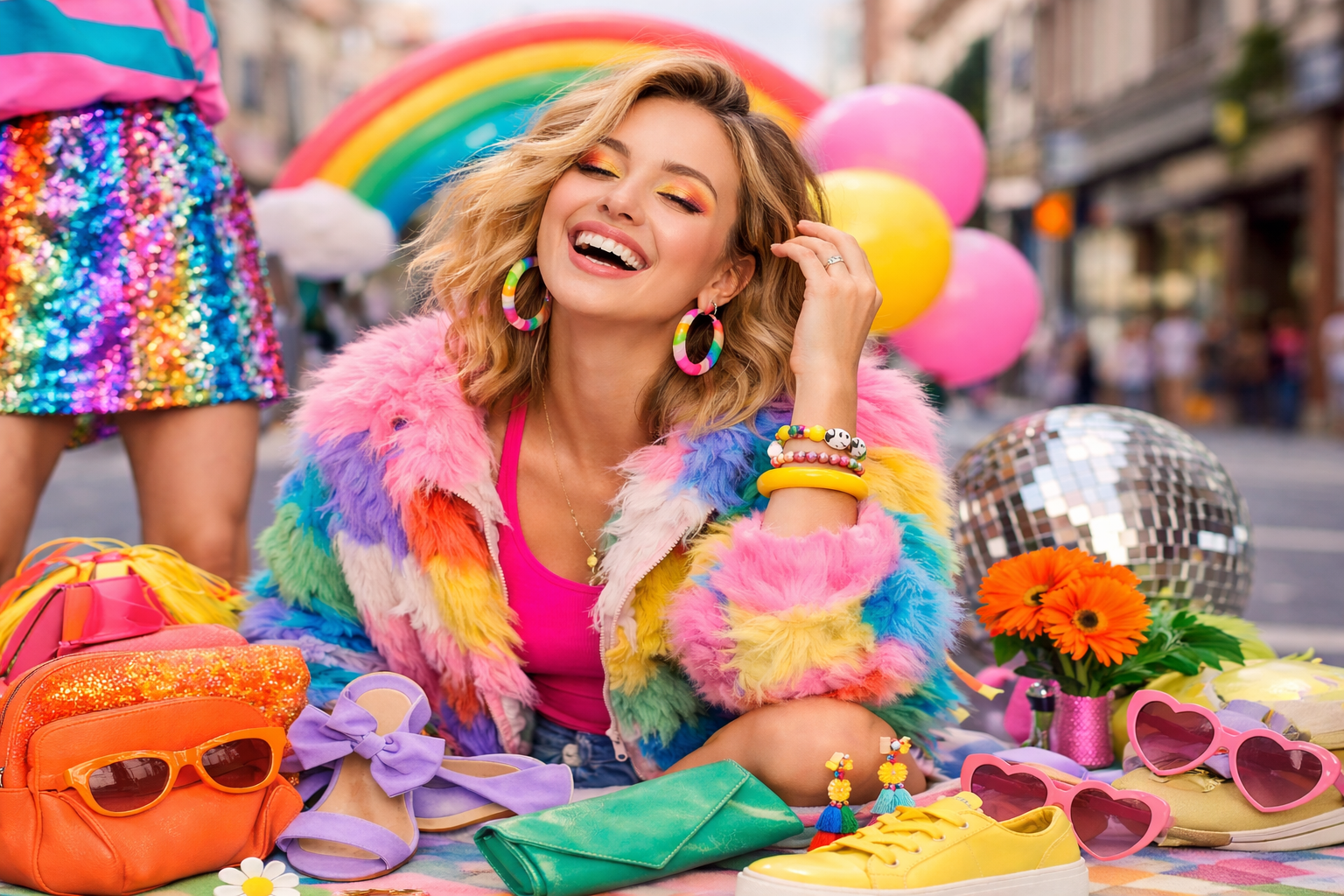
Fashion has always been a form of self-expression, but lately, it’s also becoming a tool for emotional well-being. Enter dopamine dressing—a trend that’s all about wearing clothes that make you feel happier, more confident, and energized. Instead of following strict fashion rules or seasonal trends, dopamine dressing encourages you to choose colors, textures, and styles that spark joy.
In a world where stress and fast-paced lifestyles dominate, what you wear can actually influence how you feel. Bright colors, bold prints, and playful accessories aren’t just aesthetic choices—they can shift your mood and mindset. Whether you’re stepping out for a casual day or dressing up for an event, dopamine dressing gives you permission to prioritize your happiness through fashion.
What Is Dopamine Dressing?
At its core, dopamine dressing is based on the idea that clothing can trigger emotional responses. The concept connects fashion with psychology, particularly the “dopamine effect”—a chemical in the brain associated with pleasure and reward. When you wear something you love, your brain releases dopamine, making you feel happier and more confident.
Unlike traditional fashion rules that emphasize trends, minimalism, or neutral palettes, dopamine dressing is deeply personal. It’s not about what’s “in” or “out”—it’s about what makes you feel good. For some, that could mean neon colors and bold patterns. For others, it might be soft fabrics, cozy layers, or nostalgic styles.
This approach gained popularity on social media, where influencers began showcasing vibrant outfits as a way to combat negativity and express individuality. It also aligns with the growing focus on mental health and self-care, turning everyday dressing into a small but powerful act of self-love.
Ultimately, dopamine dressing isn’t a strict style—it’s a mindset shift. It invites you to reconnect with your wardrobe and rediscover the emotional power of clothing.
The Psychology Behind Feel-Good Fashion
The connection between clothing and mood isn’t just a trend—it’s backed by psychology. Researchers often refer to this as “enclothed cognition,” which suggests that what you wear can influence your thoughts, emotions, and behavior.
Colors play a major role here. Bright shades like yellow, pink, and orange are often associated with happiness and energy, while blues and greens can create a calming effect. When you intentionally choose colors based on how you want to feel, you’re essentially using your wardrobe as a mood-enhancing tool.
Texture and fit also matter. Soft, comfortable fabrics can provide a sense of security, while structured pieces can boost confidence and authority. Even accessories—like statement jewelry or fun shoes—can add a playful element that lifts your spirits.
Dopamine dressing taps into all of these elements. It encourages mindful choices that go beyond aesthetics and focus on emotional impact. Over time, dressing with intention can help you build a stronger sense of identity and self-assurance.
In a way, your closet becomes more than just a storage space—it transforms into a resource for emotional well-being.
Key Elements of Dopamine Dressing
If you’re wondering how to incorporate dopamine dressing into your daily life, it starts with a few key elements. These are the building blocks of a feel-good wardrobe:
1. Bold Colors
Bright, vibrant hues are the heart of dopamine dressing. Think hot pink, electric blue, sunny yellow, and vivid green. These colors instantly draw attention and uplift your mood.
2. Playful Patterns
From florals and polka dots to abstract prints, patterns add personality and excitement to your outfits. Mixing patterns can also create a fun, expressive look.
3. Unique Textures
Sequins, satin, knits, and faux fur can add depth and sensory pleasure to your clothing. The way something feels is just as important as how it looks.
4. Statement Pieces
Whether it’s an oversized blazer, chunky sneakers, or bold accessories, statement items can transform a simple outfit into something memorable.
5. Personal Meaning
Clothing that holds emotional value—like a vintage piece or a gift—can amplify the feel-good effect. These items often carry positive memories and associations.
The key is balance. You don’t need to wear everything bold at once. Even small changes, like adding a colorful scarf or a bright handbag, can make a difference.
How to Build a Dopamine Dressing Wardrobe
Creating a wardrobe centered around dopamine dressing doesn’t require a complete overhaul. Instead, it’s about being intentional with your choices and gradually incorporating pieces that make you feel good.
Start by auditing your current wardrobe. Identify items that make you feel confident and happy, and set aside those that don’t. This helps you understand your personal style and emotional triggers.
Next, experiment with color. If you’re used to neutrals, try adding one bold piece at a time—like a bright blazer or colorful shoes. Over time, you’ll become more comfortable incorporating vibrant shades into your outfits.
Don’t forget about comfort. Dopamine dressing isn’t just about looking good—it’s about feeling good too. Choose fabrics and fits that allow you to move freely and feel at ease throughout the day.
Accessories are another easy way to embrace this trend. A statement necklace, colorful bag, or fun pair of sunglasses can instantly elevate your look without requiring a major investment.
Finally, trust your instincts. If an outfit makes you smile when you look in the mirror, you’re on the right track. Dopamine dressing is all about authenticity and self-expression.
Why Dopamine Dressing Matters Today
In today’s fast-paced, often stressful world, small moments of joy can make a big difference. Dopamine dressing offers a simple yet effective way to boost your mood and confidence through everyday choices.
It also challenges traditional fashion norms. Instead of dressing to impress others or fit into societal expectations, dopamine dressing encourages you to dress for yourself. This shift promotes individuality and creativity, making fashion more inclusive and empowering.
Social media has played a significant role in spreading this trend, with people sharing their colorful outfits and inspiring others to embrace feel-good fashion. It’s become more than just a style—it’s a movement that celebrates positivity and self-expression.
Additionally, dopamine dressing aligns with the broader focus on mental health and well-being. By prioritizing how you feel over how you look, you’re making a conscious choice to care for yourself.
In essence, dopamine dressing reminds us that fashion isn’t just about appearance—it’s about emotion, identity, and joy.
Conclusion
Dopamine dressing is more than a fleeting trend—it’s a refreshing approach to fashion that puts your happiness first. By choosing clothes that uplift your mood and reflect your personality, you can turn everyday dressing into a meaningful and empowering experience.
Whether it’s through bold colors, playful patterns, or sentimental pieces, dopamine dressing allows you to express yourself authentically while boosting your confidence. In a world that often feels overwhelming, this feel-good fashion movement offers a simple way to bring more joy into your daily life—one outfit at a time.
FAQs
What is dopamine dressing?
Dopamine dressing is a fashion approach that focuses on wearing clothes that boost your mood and make you feel happy and confident.
Does dopamine dressing really work?
Yes, studies in psychology suggest that clothing can influence mood and behavior, making this approach effective for many people.
Do I need to wear bright colors for dopamine dressing?
Not necessarily. While bright colors are common, the key is wearing what makes you feel good, whether that’s bold or subtle.
Is dopamine dressing expensive?
No, you can start with items you already own. Even small additions like accessories can make a big impact.
Can men try dopamine dressing too?
Absolutely. Dopamine dressing is for everyone and can be adapted to any personal style or wardrobe.
 admin
admin