
Introduction
Home décor is constantly evolving, and the latest interior design trends are all about creating spaces that feel personal, functional, and inviting. In 2026, homeowners are moving away from overly minimal spaces and embracing warmth, texture, and individuality. Whether you’re renovating an entire house or refreshing a single room, today’s trends focus on comfort, sustainability, and smart living. From earthy color palettes to multifunctional furniture and nature-inspired elements, modern interiors are becoming more balanced and livable. These design ideas don’t just improve aesthetics — they also enhance everyday life. If you’re planning to redesign your home, understanding the biggest trends can help you create a stylish space that feels timeless rather than temporary.
Sustainable and Eco-Friendly Design
One of the most influential trends in modern interiors is sustainability. More homeowners are choosing eco-conscious materials and energy-efficient solutions that reduce environmental impact while still looking elegant. Reclaimed wood furniture, bamboo flooring, recycled glass countertops, and organic fabrics are becoming increasingly popular in both contemporary and traditional homes.
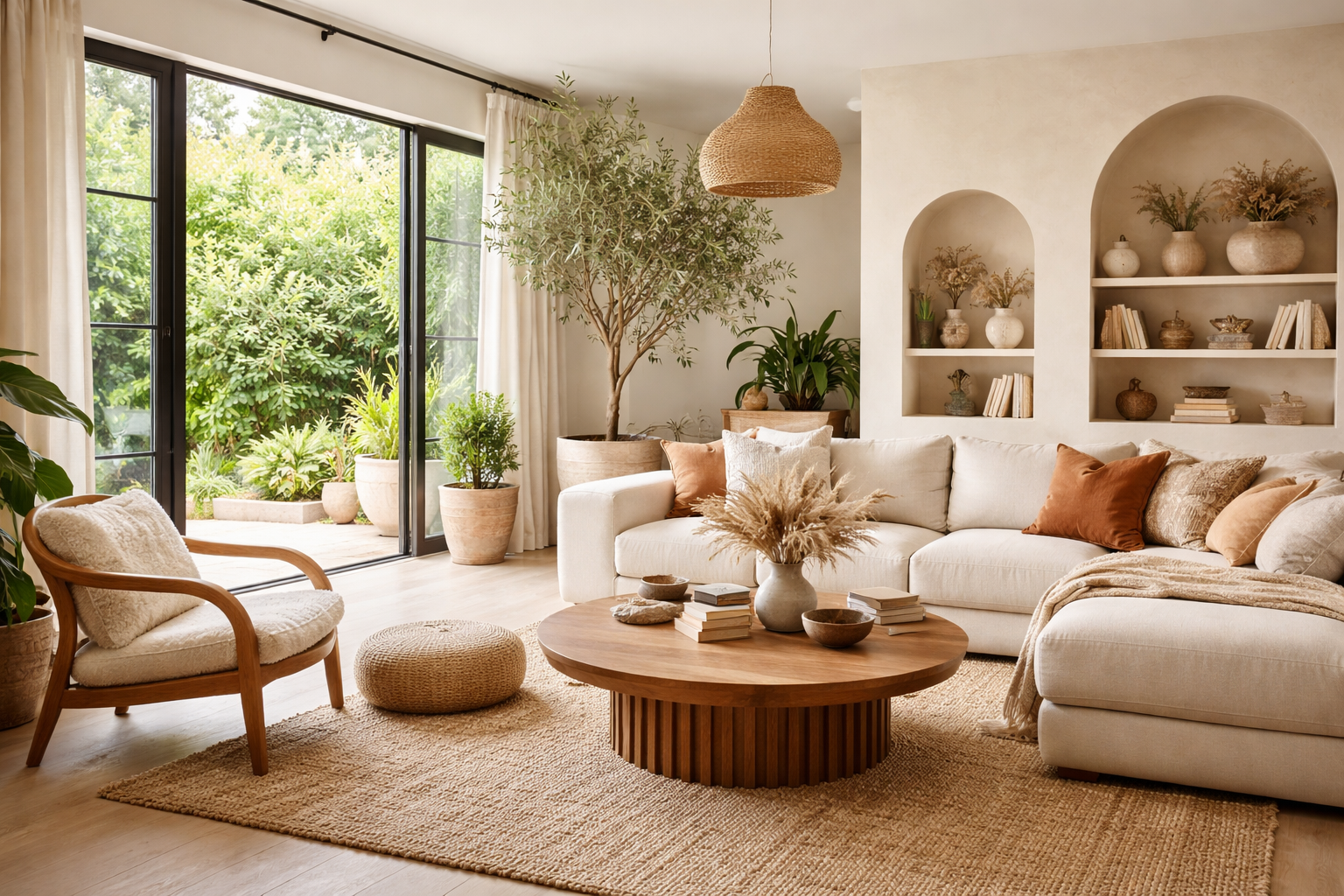
Natural materials add warmth and authenticity to interiors. Linen curtains, clay décor, jute rugs, and handcrafted furniture help create a relaxed atmosphere while supporting sustainable living. Designers are also prioritizing quality over quantity, encouraging people to invest in long-lasting furniture instead of fast décor trends.
Energy efficiency is another major focus. LED lighting, smart thermostats, and energy-saving appliances are now considered essential parts of modern home design. Large windows and open layouts are being used to maximize natural light, reducing the need for artificial lighting during the day.
Indoor plants are also playing a huge role in eco-friendly interiors. From hanging greenery to oversized statement plants, natural elements help improve air quality and create a calming environment. Sustainability is no longer just a trend — it’s becoming the standard for thoughtful interior design.
Warm Earthy Colors and Rich Textures
Neutral interiors are evolving into warmer and more inviting spaces. Instead of stark white rooms, homeowners are embracing earthy shades like terracotta, olive green, sand beige, mocha brown, and muted rust. These colors create a cozy atmosphere and pair beautifully with natural materials.
Texture is equally important in modern interiors. Designers are layering fabrics and finishes to make rooms feel more dynamic and comfortable. Bouclé chairs, velvet cushions, textured wallpaper, and woven accents are all gaining popularity. Mixing textures helps prevent spaces from looking flat or overly polished.
Wood finishes are also shifting toward darker and richer tones. Walnut cabinetry, oak furniture, and natural stone surfaces add depth and sophistication to kitchens and living areas. Matte finishes are replacing glossy surfaces because they feel softer and more organic.
Statement lighting is another standout feature. Sculptural pendant lights, oversized lamps, and artistic chandeliers are being used as focal points in rooms. Lighting isn’t just functional anymore — it’s part of the overall décor story.
These warmer tones and tactile materials make homes feel more lived-in and welcoming, which is exactly what many homeowners are looking for in 2026.
Multifunctional and Smart Living Spaces
Modern homes are becoming more adaptable as people look for ways to maximize space and functionality. Multifunctional rooms are now essential, especially for homeowners who work remotely or live in smaller spaces. A guest bedroom might double as a home office, while dining areas are being designed for both entertaining and productivity.
Furniture with built-in storage is one of the biggest space-saving solutions. Ottomans with hidden compartments, foldable desks, modular sofas, and extendable dining tables help make homes more practical without sacrificing style.
Smart home technology is also influencing interior design trends. Voice-controlled lighting, automated curtains, smart security systems, and integrated home assistants are making everyday living more convenient. Technology is now being seamlessly incorporated into interiors instead of standing out visually.
Minimal clutter is another important aspect of multifunctional design. Hidden storage solutions and clean layouts help create a sense of calm and organization. Open shelving is still popular, but it’s being styled more intentionally with curated décor pieces instead of excessive accessories.
As lifestyles continue to evolve, homes are becoming more flexible and efficient while still maintaining a stylish and comfortable appearance.
Biophilic Design and Nature-Inspired Interiors
Biophilic design continues to dominate modern interiors because people want stronger connections with nature inside their homes. This design approach focuses on incorporating natural elements into indoor spaces to improve well-being and reduce stress.
Large windows, skylights, and open-air layouts help bring in natural light and create a stronger connection between indoor and outdoor spaces. Homes are also incorporating more natural materials such as stone, wood, and water-inspired textures.
Indoor gardens and vertical plant walls are becoming statement features in living rooms and kitchens. Even small apartments are adding greenery through hanging planters, herbs, and compact indoor trees. Plants soften interiors and add freshness without requiring major renovations.
Nature-inspired patterns are also trending. Floral wallpapers, botanical prints, and organic-shaped furniture help create a calming environment. Curved furniture and soft architectural lines are replacing sharp edges, making interiors feel more relaxed and fluid.
Outdoor living spaces are receiving more attention as well. Patios, balconies, and garden areas are being designed like extensions of the home with cozy seating, decorative lighting, and weather-resistant fabrics.
Biophilic design goes beyond aesthetics — it creates healthier and more peaceful environments that support emotional well-being.
Personalized and Bold Statement Décor
Modern interiors are becoming more expressive and less focused on following strict design rules. Homeowners now want spaces that reflect their personality, interests, and lifestyle. This shift has led to the rise of statement décor and customized interiors.
Bold artwork, vintage furniture, and unique accessories are replacing generic décor pieces. People are mixing modern furniture with antique finds to create layered and meaningful spaces. Gallery walls, sculptural objects, and handcrafted décor add character and individuality to rooms.
Color is also making a comeback in unexpected ways. While earthy neutrals remain popular, accent colors like deep blue, emerald green, mustard yellow, and burgundy are being used to create visual interest. Statement ceilings and painted archways are becoming creative ways to add personality without overwhelming a space.
Maximalist influences are slowly returning as homeowners embrace curated collections, patterned fabrics, and decorative layering. However, the modern version of maximalism feels intentional rather than chaotic.
Personalization is the defining factor in today’s interior design. Instead of copying showroom aesthetics, people are designing homes that feel authentic and emotionally connected to their daily lives.
Conclusion
The latest interior design trends focus on creating homes that are stylish, comfortable, and deeply personal. From sustainable materials and warm earthy palettes to multifunctional layouts and nature-inspired décor, modern interiors are evolving to support both beauty and practicality. Smart technology and personalized design choices are also helping homeowners create spaces that fit their unique lifestyles. Whether you prefer minimalist elegance or bold statement pieces, the key trend in 2026 is authenticity. By blending comfort, functionality, and creativity, these interior design trends can help transform any home into a welcoming and timeless living space.
FAQs
What are the biggest interior design trends in 2026?
The biggest trends include sustainable materials, earthy color palettes, multifunctional furniture, smart home technology, and biophilic design.
Are neutral colors still popular in interior design?
Yes, but warmer neutrals like beige, terracotta, olive green, and mocha are replacing cool gray tones.
What is biophilic interior design?
Biophilic design focuses on bringing natural elements indoors through plants, natural lighting, organic materials, and nature-inspired décor.
How can I make a small home look stylish?
Use multifunctional furniture, maximize natural light, add mirrors, choose smart storage solutions, and keep décor intentional rather than overcrowded.
Is minimalist design still in style?
Yes, but modern minimalism is becoming warmer and more comfortable with layered textures and personalized décor elements.
 admin
admin