
Introduction
If you’ve ever tried to understand the healthcare system or looked into treatment options, you’ve probably come across the term inpatient. But what exactly does it mean, and how does it differ from other types of care? The inpatient meaning is more than just staying in a hospital—it’s a structured, supervised approach to treatment used for a variety of medical and mental health conditions. Whether someone is recovering from surgery, managing a serious illness, or undergoing detox, inpatient care offers around-the-clock support that outpatient services simply can’t match. In this article, we’ll break down what inpatient really means, how the process works, when it’s necessary, and what benefits it provides.
What “Inpatient” Really Means in Healthcare
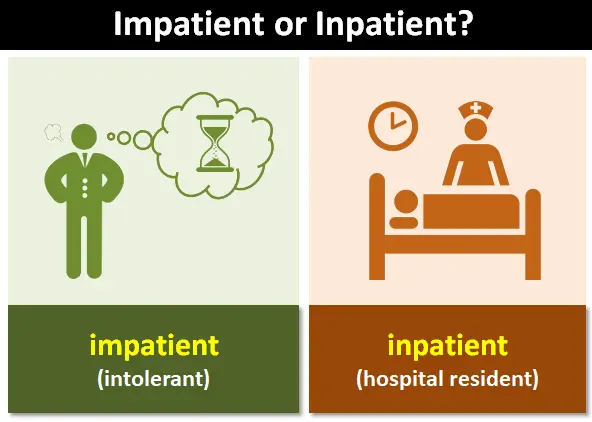
At its core, the inpatient meaning refers to a type of medical or mental health treatment that requires a person to stay overnight—or for an extended period—in a hospital or specialized facility. Unlike outpatient care, where patients visit for appointments and return home the same day, inpatient care involves continuous monitoring and structured support.
People often enter inpatient treatment when their condition requires close supervision, frequent assessments, or intensive therapy that can’t be safely provided at home. This might include serious infections, major surgeries, substance detox, psychiatric crises, or acute medical complications. Healthcare professionals coordinate every aspect of the patient’s stay, from medications and meals to therapy sessions and recovery planning.
Inpatient settings are carefully designed to reduce risk, stabilize symptoms, and support the highest level of care possible. Because patients remain onsite 24/7, doctors and nurses can respond quickly to any change in condition. This is one of the major reasons inpatient care is considered essential for individuals whose health needs immediate, consistent attention.
Understanding this basic definition helps clarify why some situations require inpatient care while others can comfortably be handled through outpatient services.
What to Expect During an Inpatient Stay
Stepping into an inpatient facility often feels overwhelming, especially if it’s your first time or you’re supporting a loved one. But knowing what to expect can make the process smoother and less intimidating. An inpatient stay typically begins with an evaluation. Doctors, nurses, or therapists assess the patient’s condition, review medical history, and determine the appropriate length and type of treatment.
During the stay, patients follow a structured schedule. In medical inpatient units, this may include medication management, vital sign checks, blood tests, meal times, and physical therapy. In psychiatric or rehabilitation facilities, the daily routine might involve group therapy, individual counseling, behavioral sessions, and educational programs. The purpose of this structured environment is to create stability and promote healing.
Patients are monitored 24/7. This continuous oversight allows healthcare providers to adjust treatment plans quickly if symptoms change. In many cases, inpatient care includes access to specialized equipment or professionals that wouldn’t be available in outpatient settings. For example, surgical recovery may require advanced monitoring tools, while psychiatric units offer crisis stabilization and intensive therapy.
Family involvement also plays a role. Many facilities allow scheduled visits or participation in therapy sessions, especially when family support is crucial to recovery. By understanding this routine, the inpatient meaning becomes clearer—it’s about comprehensive care delivered in a controlled, safe environment.
Differences Between Inpatient and Outpatient Care
When navigating treatment options, people often compare inpatient and outpatient services. While both are important parts of healthcare, they serve different purposes. Understanding these differences helps determine which one is right for you or your loved one.
Inpatient care requires staying in the facility overnight for continuous monitoring. Outpatient care, on the other hand, allows individuals to attend scheduled appointments and return home afterward. Outpatient services are typically best for mild to moderate conditions that don’t require round-the-clock supervision.
Another difference lies in the level of intensity. Inpatient treatment is highly structured and often includes multiple therapies or interventions each day. Outpatient programs offer flexibility and fewer hours of treatment, which makes them ideal for people who have stable symptoms or strong support at home.
Cost is another factor. Because inpatient care includes room, meals, medical supervision, equipment, and therapy, it’s generally more expensive. However, insurance often covers inpatient stays when deemed medically necessary. Outpatient services are usually more affordable but may not provide the level of support some conditions require.
Understanding these distinctions reinforces the inpatient meaning: it represents the highest level of short-term care for stabilization, recovery, and safety.
When Is Inpatient Care Necessary?
Not every medical or mental health situation requires inpatient treatment. However, certain symptoms, risks, or conditions make it the safest and most effective option. Medical inpatient care is typically needed for severe illnesses, major surgeries, breathing complications, serious infections, or conditions requiring constant observation.
In mental health, inpatient care becomes necessary when someone poses a risk to themselves or others, experiences hallucinations or severe anxiety, or cannot function safely at home. Substance use disorders may also require inpatient detox, especially when withdrawal could trigger dangerous symptoms.
Healthcare professionals consider several factors when deciding if inpatient care is appropriate. These include the severity of symptoms, medical stability, risk level, and support system. When outpatient care cannot provide enough monitoring or safety, inpatient treatment becomes the best solution.
This necessity reflects the heart of the inpatient meaning—ensuring a stable, controlled environment where healing can begin without unnecessary risks or complications.
Benefits of Inpatient Treatment
One of the biggest advantages of inpatient care is the structured environment. For many patients, having a consistent routine supports emotional stability and encourages physical healing. The constant presence of skilled professionals also provides reassurance and immediate help if something changes.
Another benefit is access to multidisciplinary teams. Inpatient facilities typically include doctors, nurses, therapists, dietitians, and specialists who work together. This collaborative approach ensures that treatment plans are comprehensive and tailored to each patient’s needs.
Inpatient settings also limit outside distractions. For individuals struggling with mental health challenges or addiction, the controlled environment minimizes triggers and allows them to focus entirely on recovery. This level of support is difficult to achieve at home.
Finally, inpatient care often leads to faster stabilization. Because everything—from medication adjustments to therapy sessions—happens under one roof, progress can occur more quickly. This is why inpatient treatment is often recommended during crises or severe health episodes.
These benefits make the inpatient meaning not just a definition, but a reflection of high-quality care designed to support healing in a safe and structured way.
Conclusion
Understanding the inpatient meaning helps you make informed decisions about medical and mental health care. Inpatient treatment provides 24/7 support, professional monitoring, and a structured environment that focuses on stabilization and recovery. Whether used for surgery recovery, mental health crises, or serious medical conditions, inpatient care ensures safety and comprehensive treatment that can’t be replicated in outpatient settings. Knowing when it’s needed—and what to expect—gives you the clarity to choose the right level of care when it matters most.
FAQs
What does inpatient mean in simple terms?
It means staying in a hospital or facility overnight for treatment and constant monitoring.
How long does an inpatient stay usually last?
It can vary from a day to several weeks, depending on the condition and recovery needs.
Is inpatient care only for medical emergencies?
No, it’s also used for mental health stabilization, addiction treatment, and recovery after surgery.
What is the difference between inpatient and outpatient?
Inpatient requires staying at the facility; outpatient allows you to go home after appointments.
Does insurance cover inpatient treatment?
Most insurance plans cover inpatient care when it’s medically necessary.
 admin
admin