
Introduction
The word Segway is one of those terms that feels familiar, yet many people only have a vague idea of what it actually represents. Some think of it as a futuristic scooter, others as a pop-culture reference, and many recognize it as a smooth transition in conversation. Interestingly, all of these ideas connect back to the same core concept.
Originally known as a self-balancing personal transportation device, the Segway quickly became a symbol of innovation, mobility, and modern engineering. Over time, the term expanded beyond technology and found a place in everyday language. In this guide, we’ll explore the full meaning of segway, its origins, how it works, where it’s used today, and why it continues to hold relevance in both transportation and communication.
What Is a Segway? Understanding the Core Meaning
At its most basic level, a Segway is a self-balancing, electric personal transportation device designed to carry a single rider over short distances. It typically features two wheels mounted side by side, a platform to stand on, and handlebars for steering. The rider controls movement simply by leaning forward or backward, making it intuitive and easy to learn.
Beyond the physical device, the word “segway” has also entered everyday language as a verb meaning a smooth transition from one topic to another. This linguistic use comes from the brand name itself, which was inspired by the word “segue,” meaning “to follow smoothly.”
Whether you’re talking about transportation or communication, the underlying idea remains the same: smooth movement. That dual meaning is part of what makes segway such an interesting and widely recognized term.
The History and Origins of the Segway
The Segway was introduced in the early 2000s and was initially hailed as a revolutionary invention that could change urban transportation. Created by inventor Dean Kamen, the original Segway Personal Transporter aimed to offer a cleaner, more efficient alternative to walking or driving short distances.
When it debuted, expectations were incredibly high. Many believed the Segway would reshape cities and reduce traffic congestion. While it didn’t completely replace traditional transportation, it did carve out a unique niche. Law enforcement agencies, tour companies, warehouses, and large campuses quickly adopted it.
Over time, the Segway brand expanded beyond its original design. The company diversified into electric scooters, go-karts, and other personal mobility devices. Even as newer technologies entered the market, the Segway name remained synonymous with innovation and self-balancing mobility.
How a Segway Works: Technology Made Simple
One of the most fascinating aspects of a Segway is how it balances itself. The device uses a combination of gyroscopes, sensors, and microprocessors to detect the rider’s center of gravity in real time. When you lean forward, the Segway moves forward. When you lean back, it slows down or reverses.
This technology is often referred to as “dynamic stabilization.” It works continuously, making hundreds of adjustments per second to keep the rider upright. That’s why a Segway feels stable even though it only has two wheels.
Electric motors power the wheels, while rechargeable batteries provide the energy. Most Segways are designed for short-range travel, making them ideal for city environments, tourist areas, and controlled spaces. The simplicity of the design is what makes the Segway accessible, even for first-time users.
Common Uses of Segway in Everyday Life
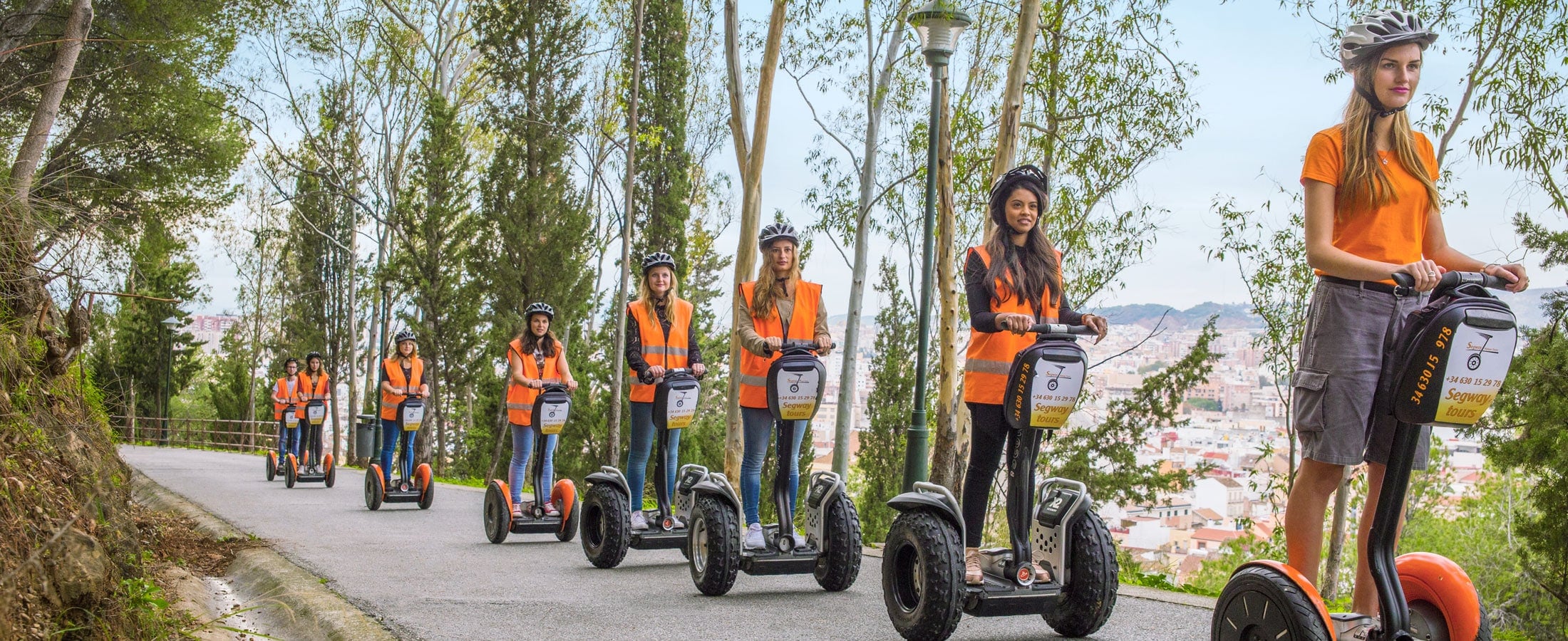
Although Segways aren’t as common as bicycles or electric scooters, they serve very specific and practical purposes. One of the most recognizable uses is in guided city tours. Tourists can cover more ground than walking while still enjoying an open, immersive experience.
Segways are also widely used by security personnel and police officers, especially in large venues like airports, malls, and stadiums. They allow officers to move quickly while remaining visible and approachable.
In addition, Segways are popular in warehouses, campuses, and industrial sites, where workers need efficient mobility without the bulk of larger vehicles. Their compact design and zero emissions make them a practical choice in controlled environments.
Segway vs Other Personal Mobility Devices
With the rise of electric scooters, hoverboards, and e-bikes, many people wonder how the Segway compares. Each device serves a slightly different purpose, but Segways stand out for their stability and hands-free balance control.
Unlike electric scooters, Segways don’t require constant throttle or brake control. The leaning mechanism feels more natural to some riders. Compared to hoverboards, Segways offer better safety thanks to handlebars and more advanced stabilization systems.
While newer devices are often lighter and cheaper, Segways still appeal to users who value control, comfort, and reliability. Their professional appearance also makes them suitable for commercial and official use.
The Word “Segway” in Language and Communication
Interestingly, many people encounter the word segway without realizing it comes from the device. In conversation or writing, to “segway” means to transition smoothly from one idea to another. For example, a speaker might segway from one topic to the next without an awkward pause.
This usage reflects the original branding concept perfectly. Just as the Segway device moves smoothly across surfaces, a conversational segway moves smoothly across ideas. Although language purists may point out that “segue” is the traditional spelling, “segway” has become widely accepted in informal contexts.
This dual meaning has helped the word remain relevant even as technology evolves.
FAQs About Segway
What is a Segway used for?
A Segway is used for personal transportation, tours, security patrols, and mobility in large spaces.
Is a Segway hard to learn?
No, most people can learn to ride a Segway in just a few minutes thanks to its intuitive balance system.
Is Segway still in use today?
Yes, while the original model is less common, Segway-branded products and similar devices are still widely used.
Why is “segway” used in conversations?
The term evolved to describe a smooth transition between topics, inspired by the device’s seamless movement.
Are Segways environmentally friendly?
Yes, Segways run on electricity and produce zero direct emissions, making them eco-friendly for short trips.
Conclusion
The segway is more than just a personal transportation device—it’s a symbol of smooth movement, innovation, and adaptability. From city tours and security patrols to everyday language, the concept has found a lasting place in modern culture. While technology continues to evolve, the Segway’s influence remains clear in how we think about mobility and transitions. Whether you’re riding one or using the word in conversation, the idea behind segway is all about moving forward with ease and balance.
 admin
admin