
Introduction
If you’ve ever been scrolling through texts, social media comments, or online chats and seen someone reply with “XD,” you might’ve wondered what it actually means. It’s short, expressive, and still widely used—but its meaning isn’t always obvious to everyone. So, what does XD mean, and why has it stuck around for so long in digital conversations?
XD is one of those internet expressions that communicates emotion instantly, without needing a full sentence. It’s often used to show laughter, humor, or playful sarcasm. While emojis have taken over many conversations, XD continues to pop up across platforms like gaming chats, memes, and casual texts. In this guide, we’ll break down what XD means, where it came from, how people use it today, and when it’s appropriate to use it yourself.
What Does XD Mean in Texting and Online Chat
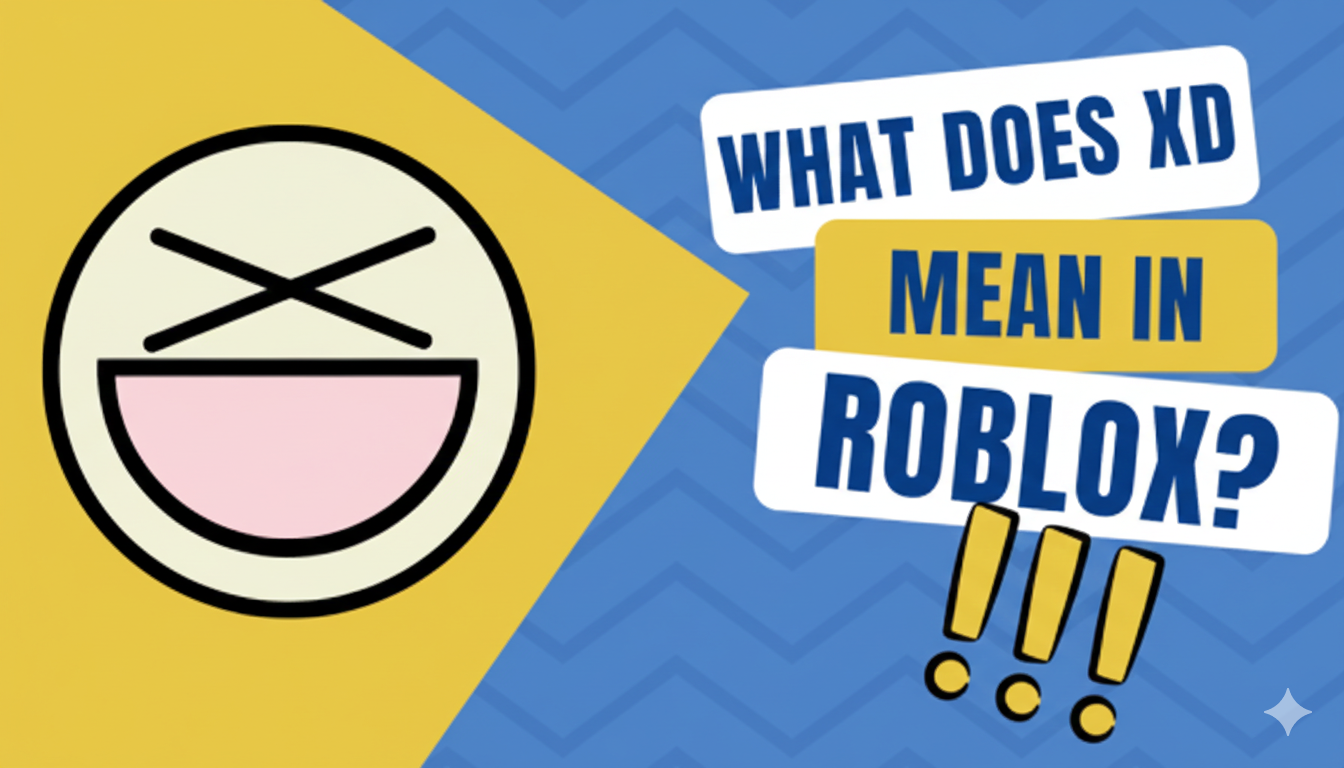
At its core, XD means laughter—specifically, laughing hard or finding something extremely funny. Visually, it represents a face: the “X” symbolizes tightly shut eyes from laughing, while the “D” looks like a wide, open mouth. Put together, it creates a laughing expression similar to “LOL,” but with more visual emotion.
In texting and online chats, XD is usually used as a reaction rather than a standalone message. For example, if someone sends a funny joke or meme, replying with “XD” tells them you found it genuinely amusing. Compared to “LOL,” XD often feels more animated or exaggerated, as if you’re laughing harder.
The capitalization matters too. Most people write it as “XD” rather than “xd,” since the uppercase version better resembles the facial expression. While lowercase “xd” is still understood, it can feel less enthusiastic or even sarcastic depending on context.
In casual digital conversations, XD signals friendliness, humor, and a relaxed tone. It’s especially common in informal spaces like group chats, gaming communities, and comment sections where people want to keep things lighthearted.
The Origin and History of XD
Understanding what XD means becomes clearer when you look at where it came from. XD originated in the early days of internet communication, long before emojis and GIFs became mainstream. Back then, people relied heavily on text-based emoticons—using keyboard characters to express emotions.
XD gained popularity in the early 2000s through chat rooms, instant messaging platforms like MSN Messenger, and online forums. During that time, users creatively combined letters and symbols to form faces, such as 🙂 🙁 and :P. XD stood out because it conveyed stronger emotion than a simple smile.
As internet culture evolved, XD became deeply embedded in gaming communities. Gamers used it frequently in live chats and multiplayer messages to react quickly without breaking gameplay. From there, it spread across social media platforms like Facebook, Twitter, and later TikTok comment sections.
Even though emojis like 😂 now dominate, XD hasn’t disappeared. Its nostalgic feel and simplicity keep it relevant, especially among users who grew up during the early internet era.
How XD Is Used in Different Online Contexts
The meaning of XD can shift slightly depending on where and how it’s used. In texting, it usually expresses genuine laughter or amusement. For example:
“That typo made the message even funnier XD”
On social media, XD often appears in comments under funny posts, memes, or videos. It can also be used ironically, especially when reacting to something awkward or absurd. In these cases, XD may suggest a mix of humor and disbelief.
In gaming chats, XD is extremely common. Players use it to laugh at in-game mistakes, funny moments, or friendly teasing. Because it’s short and easy to type, it’s perfect for fast-paced environments where long messages aren’t practical.
However, tone matters. Sometimes XD can come across as sarcastic or dismissive if used in serious conversations. For example, responding with XD to someone’s complaint might seem insensitive. Context is key—knowing your audience helps determine whether XD feels appropriate or not.
XD vs LOL vs 😂: What’s the Difference?
Many people wonder how XD compares to other expressions of laughter. While they all signal amusement, there are subtle differences in tone and usage.
LOL (laughing out loud) is the most neutral and widely accepted. It can mean anything from mild amusement to genuine laughter, depending on context. Over time, LOL has become more of a conversational filler than an actual reaction.
XD, on the other hand, feels more expressive and playful. Because it visually represents a laughing face, it often suggests stronger or more exaggerated laughter. It can also feel more casual and internet-savvy.
The 😂 emoji is the modern equivalent of laughing hard. It’s universally recognized and works well across platforms. However, emojis can sometimes feel more formal or polished compared to text expressions like XD.
In short, XD sits somewhere between LOL and 😂—it’s expressive, informal, and often carries a nostalgic internet vibe that emojis can’t quite replicate.
Is XD Still Used Today?
Despite the rise of emojis and GIFs, XD is still very much alive. While it may not dominate conversations the way it once did, it remains popular in specific communities—especially among gamers, meme lovers, and long-time internet users.
Younger audiences may prefer emojis, but XD often resurfaces in ironic or humorous ways. Some people use it deliberately to sound playful or to reference early internet culture. In that sense, XD has become both a functional expression and a cultural throwback.
You’ll also see XD used when someone wants to keep things simple. Typing two characters can feel faster and more casual than searching for the right emoji. In group chats and comment sections, that convenience still matters.
So while trends change, XD has proven surprisingly durable. It’s no longer just about laughing—it’s about tone, nostalgia, and personality.
When Should You Use (or Avoid) XD?
Knowing what XD means also involves knowing when to use it. XD works best in casual, friendly conversations where humor is expected. It’s great for jokes, memes, light teasing, or reacting to funny situations.
However, there are times when XD might not be appropriate. In professional emails, formal discussions, or serious conversations, using XD can come across as immature or dismissive. For example, replying “XD” to bad news or a heartfelt message may seem insensitive.
It’s also worth considering who you’re talking to. Some people love internet slang, while others may find it confusing or outdated. When in doubt, match the tone of the conversation. If the other person uses casual expressions or emojis, XD will probably fit right in.
Used thoughtfully, XD adds personality and warmth. Used carelessly, it can send the wrong message.
FAQs About XD Meaning
What does XD mean in texting?
In texting, XD means laughing or finding something very funny. It represents a laughing face with closed eyes and a wide smile.
Is XD the same as LOL?
Not exactly. While both express laughter, XD is more visual and often suggests stronger or more playful laughter than LOL.
What does lowercase xd mean?
Lowercase “xd” has the same meaning, but it can feel less enthusiastic or sometimes sarcastic depending on context.
Is XD outdated slang?
XD is older internet slang, but it’s not obsolete. Many people still use it, especially in gaming and casual online spaces.
Can XD be sarcastic?
Yes. Depending on the situation, XD can be used ironically to react to awkward, absurd, or uncomfortable moments.
Conclusion
So, what does XD mean in today’s digital world? At its simplest, XD represents laughter and amusement—but it also carries layers of internet culture, nostalgia, and tone. From early chat rooms to modern gaming communities, XD has remained a quick, expressive way to react without overthinking it. While emojis may dominate now, XD still holds its place as a playful, human expression that feels personal and familiar. Used in the right context, it adds humor and warmth to conversations, proving that sometimes, two characters are all you need to say a lot.
 admin
admin