
Introduction
Three Days and a Life is a dark psychological thriller that explores guilt, fear, and the lasting impact of one tragic mistake. Written by Pierre Lemaitre, the novel combines suspense with emotional storytelling, drawing readers into a tense and unsettling world. Set in a quiet French village, the story follows a young boy whose impulsive action changes his life forever. What makes the book unforgettable isn’t just the mystery itself, but the emotional burden carried by its central character over many years. Readers who enjoy crime fiction with deep psychological layers often find Three Days and a Life impossible to put down. The novel’s slow-building tension, realistic characters, and haunting atmosphere make it one of the most compelling modern thrillers in contemporary European fiction.
A Brief Overview of the Story
At the heart of Three Days and a Life is Antoine Courtin, a 12-year-old boy living in a small village in France during the late 1990s. One seemingly ordinary day turns tragic when Antoine accidentally kills a young child named Rémi. Panicked and terrified of being discovered, he hides the body and attempts to continue life as if nothing happened.
What follows is not a traditional crime investigation filled with detectives and dramatic twists. Instead, the novel focuses on Antoine’s inner turmoil and the psychological consequences of his actions. As days become months and eventually years, guilt slowly consumes him. Every interaction, rumor, and unexpected event becomes a source of anxiety.
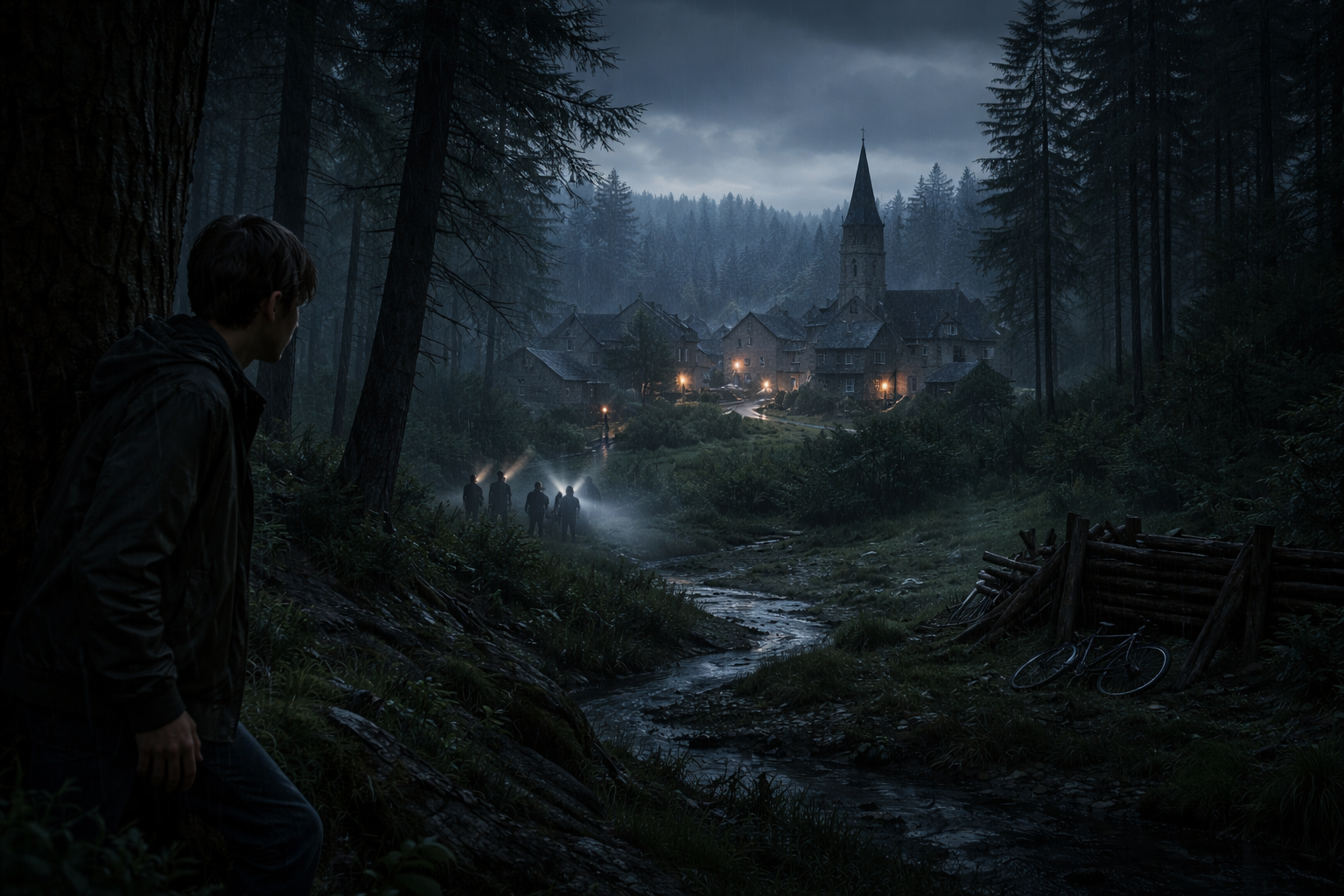
The isolated village setting plays an important role in the story’s atmosphere. The close-knit community creates constant tension because secrets are difficult to hide. Readers experience Antoine’s fear in a deeply personal way, making the narrative emotionally intense rather than action-driven.
Unlike many thrillers that rely on shocking reveals, Three Days and a Life keeps readers engaged through emotional suspense. The story explores how one terrible decision can permanently alter a person’s future, relationships, and mental state.
Why the Novel Stands Out Among Psychological Thrillers
Psychological thrillers often focus on manipulation, crime, or mystery, but Three Days and a Life takes a more intimate and emotional approach. Instead of concentrating solely on solving a crime, the novel examines the emotional collapse of someone trying to live with unbearable guilt.
One of the book’s greatest strengths is its realism. Antoine is not portrayed as a cold-hearted villain. He’s a frightened child who makes a terrible mistake in a moment of anger. This moral complexity forces readers to confront uncomfortable questions about human nature, responsibility, and forgiveness.
The writing style is another reason the novel has gained international recognition. Pierre Lemaitre creates suspense through subtle details, emotional tension, and psychological depth rather than relying on constant action. The pacing is deliberate, allowing readers to fully absorb Antoine’s growing paranoia and fear.
The novel also explores themes of loneliness and isolation. Antoine cannot share his secret with anyone, which slowly disconnects him from family, friends, and society. This emotional isolation becomes just as devastating as the crime itself.
Fans of literary thrillers appreciate how the story balances suspense with thoughtful character development. The novel proves that psychological horror can be more disturbing than graphic violence because it reveals the emotional consequences of hidden guilt.
Themes Explored in Three Days and a Life
Several powerful themes make Three Days and a Life more than just a crime novel. The most dominant theme is guilt. Antoine’s entire life becomes shaped by the secret he carries. Even when suspicion fades, his internal fear never disappears.
Another important theme is childhood innocence and how quickly it can vanish. Antoine begins the story as an ordinary young boy, but one impulsive moment forces him into emotional adulthood far too early. Readers witness how trauma changes his personality, choices, and worldview over time.
The novel also explores the idea of fate and coincidence. Unexpected events repeatedly alter the course of the investigation, creating tension while raising questions about luck, justice, and destiny. At times, Antoine appears close to exposure, only for circumstances to shift in surprising ways.
Nature and weather are symbolic throughout the story as well. Storms, forests, and the isolated village environment contribute to the novel’s dark atmosphere. These elements mirror Antoine’s emotional chaos and reinforce the sense of dread surrounding the narrative.
Perhaps the most haunting theme is the impossibility of escaping the past. Even as Antoine grows older, the emotional consequences of his actions remain present. The novel suggests that true punishment often comes from within rather than through legal consequences alone.
The Film Adaptation and Audience Reception
Three Days and a Life was later adapted into a French-language film directed by Nicolas Boukhrief. The movie captures much of the novel’s emotional intensity and suspense while visually bringing the isolated village atmosphere to life.
Fans of the book appreciated the film’s faithful adaptation of Antoine’s psychological struggles. The quiet tension, emotional conflict, and dark mood remained central to the cinematic version. While some details differ from the novel, the film successfully preserves the story’s haunting emotional core.
Critics praised both the book and film for their mature handling of trauma and guilt. Rather than turning the story into a conventional crime thriller, the adaptation maintains the reflective and emotional tone that made the original novel unique.
International audiences have responded positively to the story because its themes are universal. Fear, regret, and the burden of secrets resonate across cultures and generations. Readers and viewers alike are drawn to stories that explore the emotional complexity of ordinary people placed in extraordinary circumstances.
The popularity of Three Days and a Life has also introduced many international readers to French psychological thrillers, which are often known for their darker, more introspective storytelling style.
Who Should Read Three Days and a Life?
If you enjoy suspenseful novels that focus heavily on psychology and emotion, Three Days and a Life is worth reading. The story is ideal for readers who prefer character-driven thrillers over fast-paced action or detective-centered mysteries.
Fans of authors like Gillian Flynn or Paula Hawkins may appreciate the novel’s exploration of guilt, secrecy, and emotional tension. However, Pierre Lemaitre’s writing has a distinctly literary style that emphasizes atmosphere and internal conflict.
The book is also suitable for readers interested in moral ambiguity. Antoine is neither entirely innocent nor entirely evil, which makes the story emotionally layered and thought-provoking. Readers are often surprised by how sympathetic they become toward a deeply flawed character.
Because the novel focuses more on emotional suspense than graphic violence, it appeals to a wide audience of thriller enthusiasts. Its reflective tone and psychological depth make it memorable long after the final page.
Whether you’re exploring modern French literature or simply searching for an intelligent thriller, Three Days and a Life delivers a compelling and emotionally intense reading experience.
Conclusion
Three Days and a Life is far more than a standard crime thriller. It’s a powerful exploration of guilt, fear, and the emotional consequences of one irreversible decision. Through Antoine’s story, Pierre Lemaitre creates a haunting narrative that stays with readers long after they finish the book. The novel’s psychological depth, atmospheric setting, and moral complexity make it stand out in the thriller genre. Whether you choose to read the novel or watch its film adaptation, Three Days and a Life offers an unforgettable journey into the darker side of human emotion and conscience.
FAQs
What is Three Days and a Life about?
The story follows a young boy named Antoine who accidentally kills a child and spends years living with guilt and fear while trying to hide the truth.
Who wrote Three Days and a Life?
The novel was written by Pierre Lemaitre, an acclaimed French author known for psychological thrillers and crime fiction.
Is Three Days and a Life based on a true story?
No, the novel is fictional. However, its emotional realism and psychological depth make the story feel very believable.
Is there a movie adaptation of Three Days and a Life?
Yes, the novel was adapted into a French psychological thriller film released in 2019.
What genre is Three Days and a Life?
The book belongs to the psychological thriller and crime fiction genres, with strong literary and emotional elements.
 Maher Hassan