
Introduction
When it comes to luxury fashion, few names carry the prestige and admiration of Hermes. Known for its exceptional craftsmanship, exclusive handbags, premium leather goods, and timeless designs, the brand has become a symbol of sophistication around the world. From the coveted Birkin and Kelly bags to elegant scarves and ready-to-wear collections, Hermes has built a reputation that transcends trends and generations. Unlike many fashion houses that focus on fast-changing styles, Hermes emphasizes quality, heritage, and artistry. This commitment has helped the company maintain its status as one of the most respected luxury brands in the world. In this article, we’ll explore the history, iconic products, craftsmanship, and lasting influence of Hermes in the luxury fashion industry.
The Rich History of Hermes
Hermes was founded in 1837 by Thierry Hermès in Paris, France. Originally, the company specialized in creating high-quality harnesses and saddles for European noblemen. During the 19th century, horse transportation was essential, and Hermes quickly gained recognition for its superior craftsmanship.
As transportation evolved, so did the company. Hermes expanded its product range to include leather luggage, travel accessories, handbags, silk scarves, jewelry, and ready-to-wear fashion. Throughout its growth, the brand maintained its dedication to handcrafted excellence.
One of the key reasons for the company’s success is its ability to adapt while preserving its heritage. Unlike many luxury competitors, Hermes remains family-influenced and highly selective about production and distribution. This exclusivity has contributed significantly to its prestigious image.
Today, Hermes operates hundreds of boutiques worldwide and serves a global clientele that values authenticity, quality, and timeless luxury. Despite its enormous success, the company continues to honor the traditions established nearly two centuries ago.
The Art of Hermes Craftsmanship
One of the defining characteristics of Hermes is its extraordinary craftsmanship. Every product is created with meticulous attention to detail, ensuring exceptional quality and durability.
Unlike mass-produced luxury goods, many Hermes leather items are handcrafted by a single artisan from start to finish. These artisans undergo years of training before they are entrusted with creating the brand’s iconic products. This process ensures consistency and maintains the high standards for which Hermes is known.
The company carefully sources premium materials, including fine leathers such as Togo, Epsom, Clemence, and exotic skins. Every stitch, cut, and finishing detail is completed with precision. Some Hermes bags can take dozens of hours to complete, making each piece a true work of art.
The commitment to craftsmanship extends beyond handbags. Hermes silk scarves, watches, footwear, jewelry, and home décor items all reflect the same dedication to excellence. This emphasis on quality is one reason why many Hermes products retain or even increase their value over time.
For luxury consumers, purchasing Hermes is often viewed as an investment in artistry rather than simply buying a fashion accessory.
Iconic Hermes Products That Define Luxury
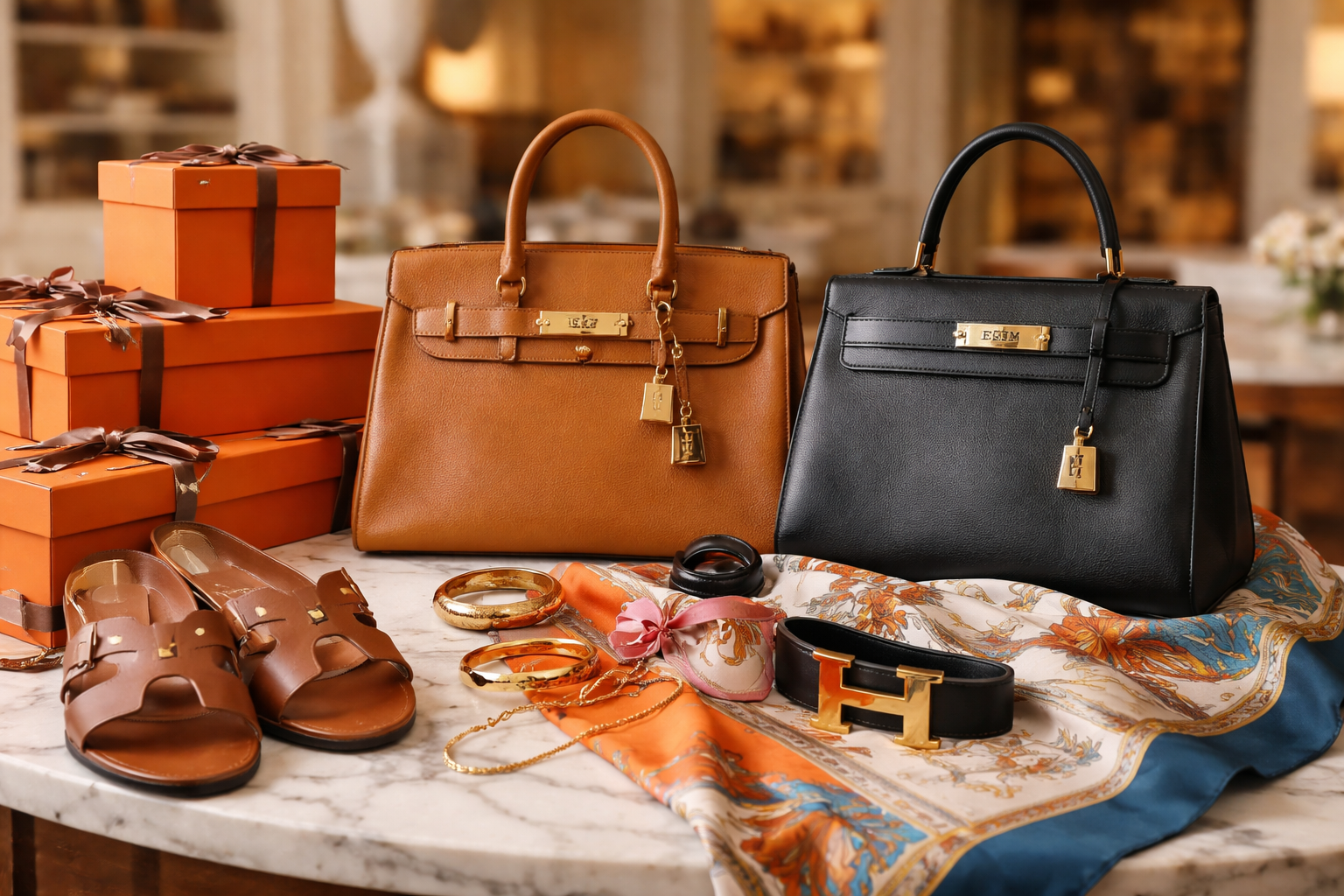
Hermes has created some of the most recognizable luxury products in fashion history. Among these, the Birkin and Kelly bags stand out as symbols of exclusivity and status.
The Birkin Bag was named after Jane Birkin and has become one of the most sought-after handbags in the world. Limited availability and exceptional craftsmanship have made it a favorite among celebrities, collectors, and fashion enthusiasts.
Similarly, the Kelly Bag gained fame through Grace Kelly. Its elegant design continues to attract luxury buyers decades after its introduction.
Beyond handbags, Hermes is renowned for its silk scarves, known as Carrés. These scarves feature intricate artwork and vibrant colors, making them timeless fashion accessories.
The brand also excels in footwear, belts, jewelry, watches, fragrances, and ready-to-wear collections. The iconic “H” belt buckle has become a recognizable symbol of luxury and sophistication worldwide.
Each product reflects the company’s commitment to blending functionality with refined design, ensuring long-term appeal and value.
Why Hermes Maintains Its Exclusivity
One of the most fascinating aspects of Hermes is its carefully managed exclusivity. Unlike many luxury brands that prioritize mass-market expansion, Hermes intentionally limits production and distribution.
The company does not aggressively increase supply to meet demand, particularly for highly coveted products like Birkin and Kelly bags. As a result, waiting lists and limited availability create a sense of rarity that enhances the brand’s desirability.
Hermes also avoids excessive marketing compared to many competitors. Rather than relying heavily on advertising campaigns, the brand allows product quality, heritage, and customer loyalty to drive its reputation.
Boutique experiences further reinforce exclusivity. Customers often receive personalized service, and access to certain products may depend on purchase history and relationship building with sales associates.
This strategy has proven highly successful. Scarcity, combined with exceptional craftsmanship and timeless design, has transformed many Hermes products into luxury investments. Collectors often view rare pieces as assets that can appreciate significantly in value over time.
By prioritizing quality over quantity, Hermes has maintained an aura of prestige that few brands can replicate.
Hermes and Its Influence on Modern Fashion
Hermes has had a profound impact on the global fashion industry. Its approach to craftsmanship, exclusivity, and timeless design has influenced countless luxury brands.
In an era dominated by fast fashion, Hermes stands as a reminder of the value of slow, intentional production. The company encourages consumers to appreciate longevity, quality, and artisanal expertise rather than constantly chasing short-lived trends.
Fashion designers frequently cite Hermes as an inspiration for luxury craftsmanship and brand positioning. The company’s ability to balance heritage with innovation serves as a model for businesses across multiple industries.
Hermes has also shaped consumer attitudes toward luxury investments. Many buyers now view premium handbags, accessories, and collectibles as assets that can retain value over time. This trend has contributed to the growing luxury resale market.
Furthermore, the brand’s influence extends beyond fashion into lifestyle, home décor, equestrian products, and fine craftsmanship. Its commitment to excellence continues to inspire designers, artisans, and luxury consumers worldwide.
As fashion evolves, Hermes remains a benchmark for quality, authenticity, and enduring elegance.
Conclusion
Hermes has earned its place among the world’s most prestigious luxury brands through nearly two centuries of exceptional craftsmanship, innovation, and dedication to quality. From its origins as a saddle-maker in Paris to its position as a global fashion powerhouse, the brand has consistently upheld values that prioritize artistry and exclusivity. Iconic products like the Birkin and Kelly bags continue to captivate collectors and fashion enthusiasts alike, while the company’s commitment to handcrafted excellence sets it apart from competitors. Whether admired for its heritage, investment value, or timeless style, Hermes remains a symbol of luxury that continues to define elegance for generations to come.
Frequently Asked Questions (FAQs)
What is Hermes best known for?
Hermes is best known for its luxury handbags, especially the Birkin and Kelly bags, as well as silk scarves, leather goods, and premium fashion accessories.
Why are Hermes bags so expensive?
Hermes bags are handcrafted using premium materials and require extensive artisan training and labor, contributing to their high value and exclusivity.
Is Hermes considered a good investment?
Many Hermes products, particularly limited-edition Birkin and Kelly bags, often retain or increase their value over time, making them attractive luxury investments.
Where was Hermes founded?
Hermes was founded in Paris, France, in 1837 by Thierry Hermès.
What makes Hermes different from other luxury brands?
Hermes distinguishes itself through exceptional craftsmanship, limited production, premium materials, and a strong focus on timeless rather than trend-driven designs.
 admin
admin  Maher Hassan